01 · Project Note
About this Edition
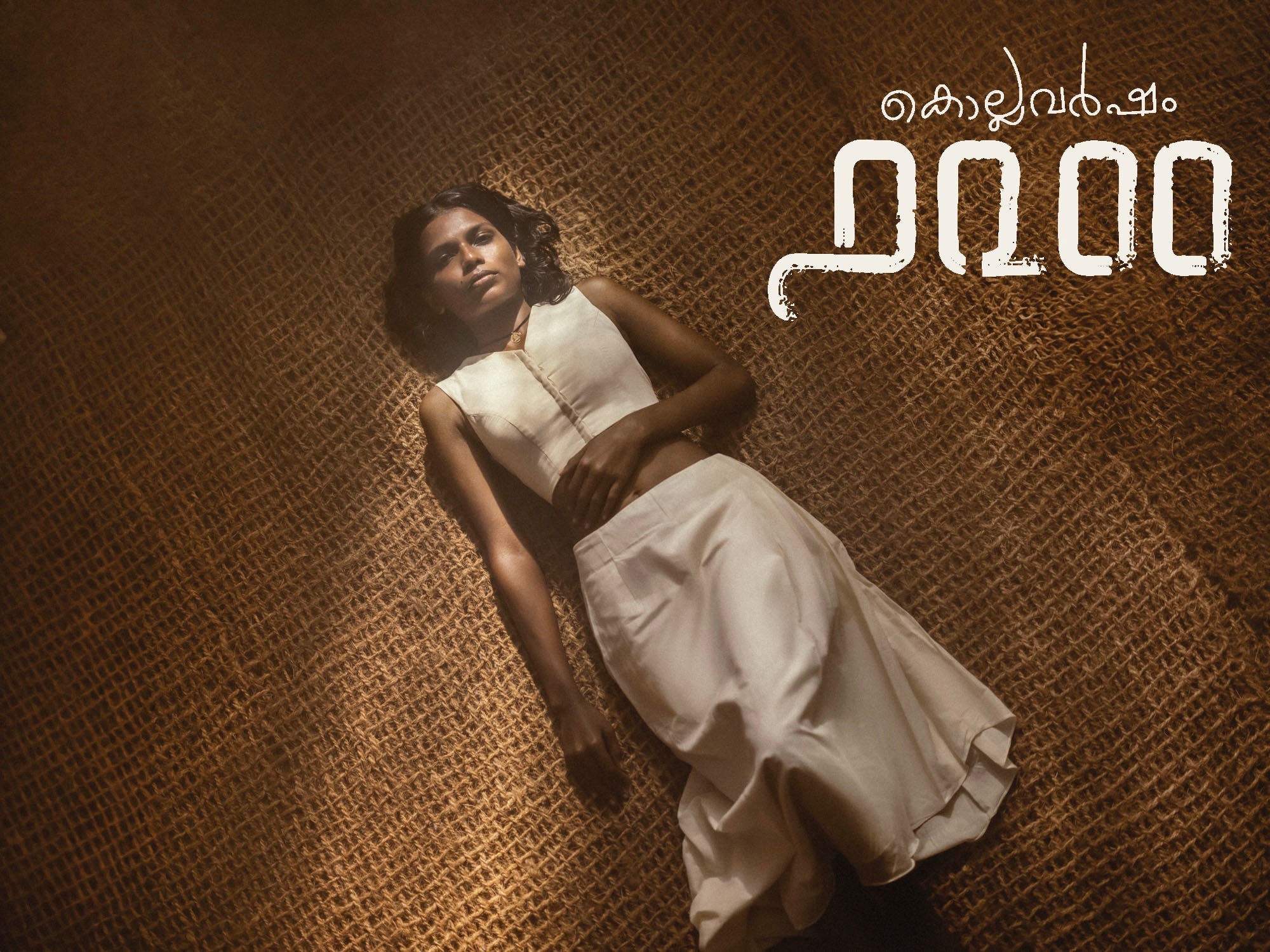
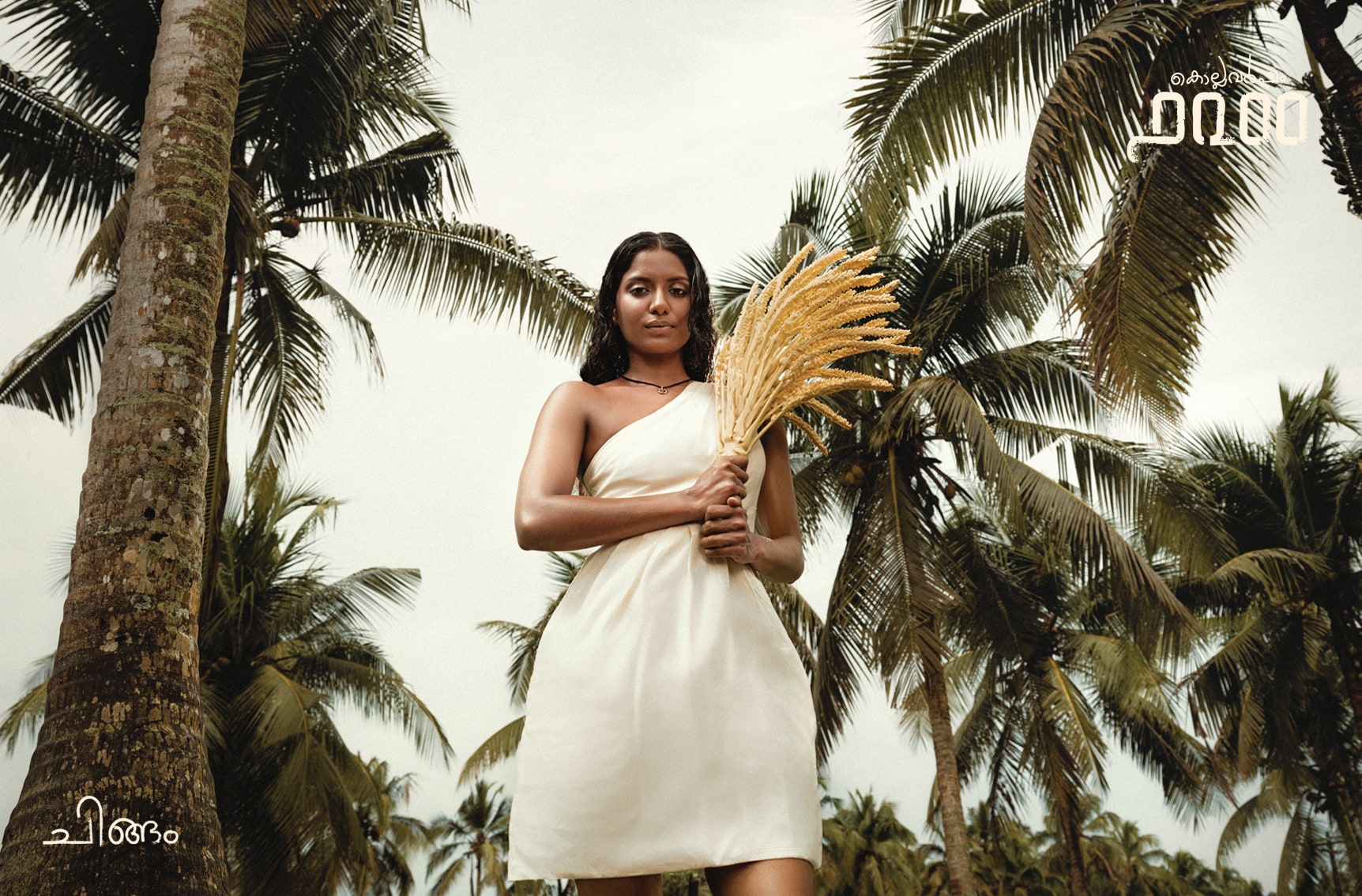
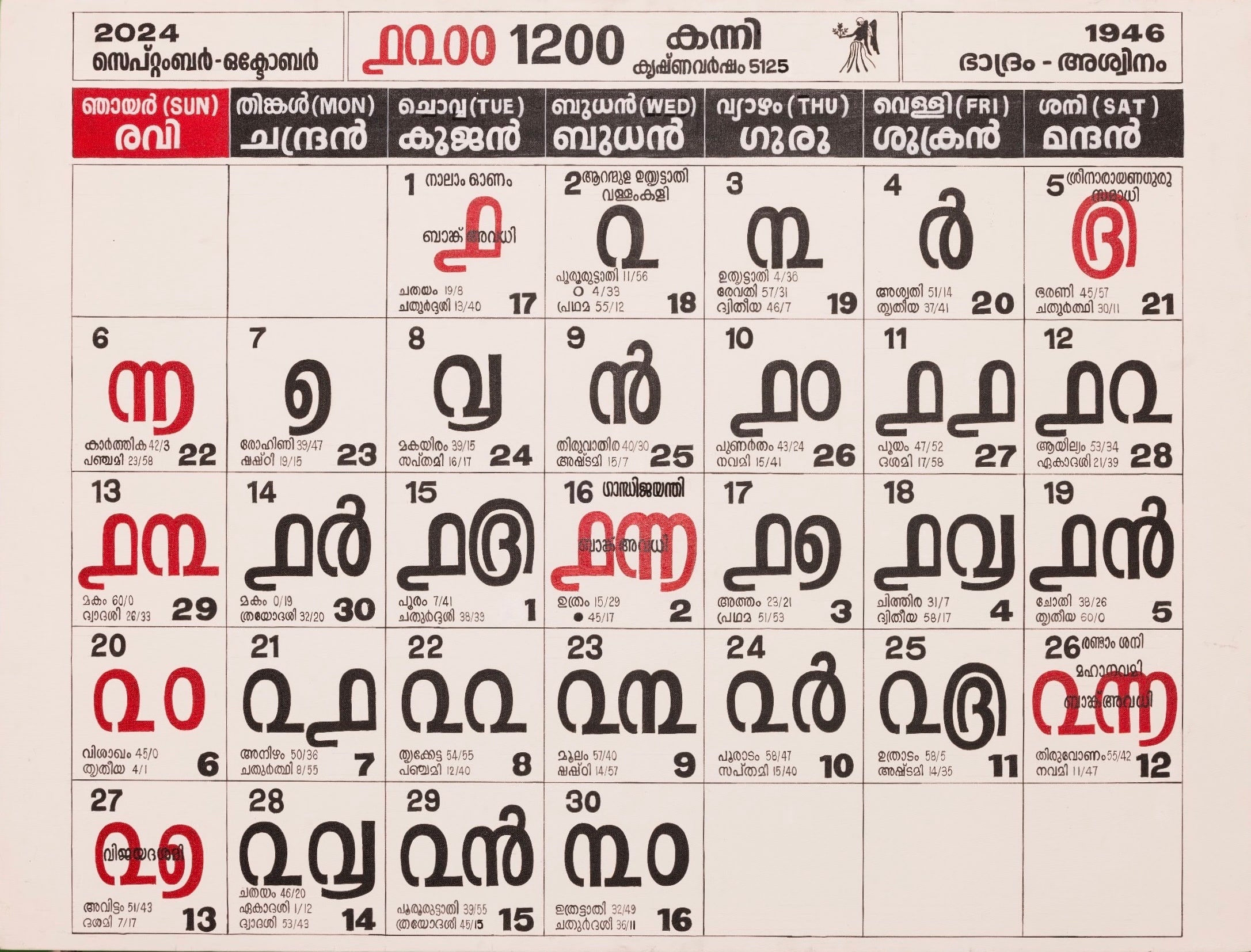
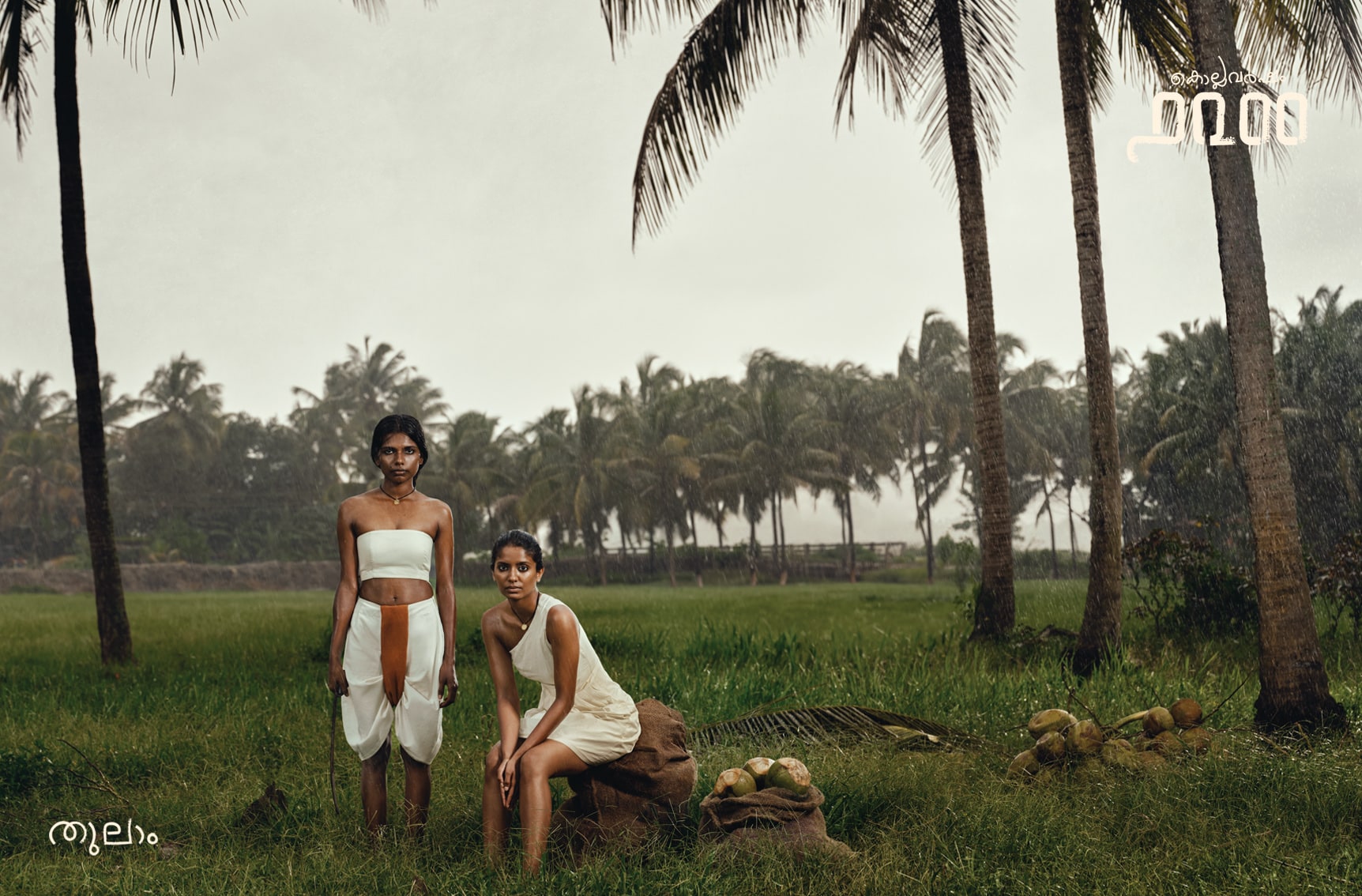
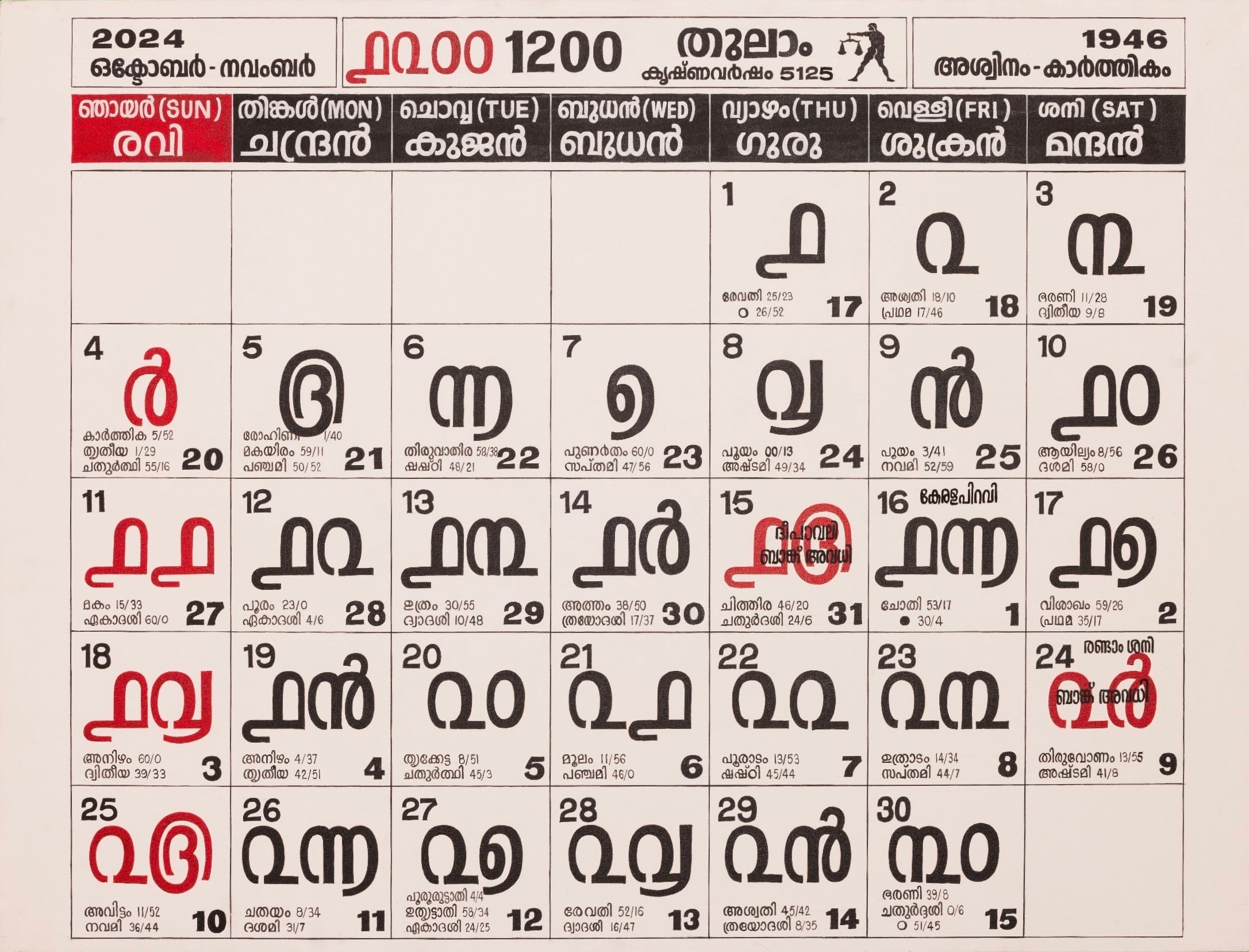
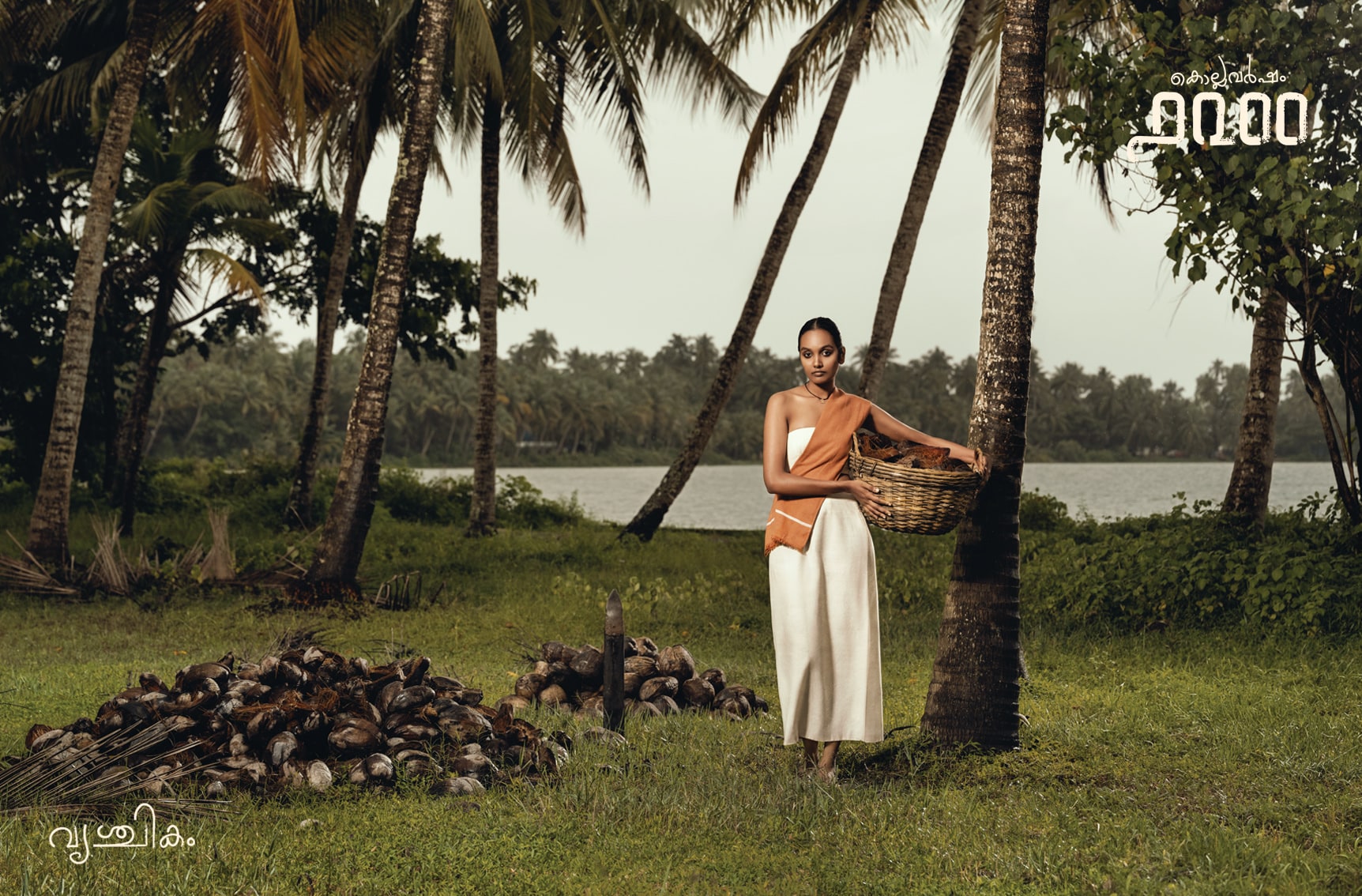
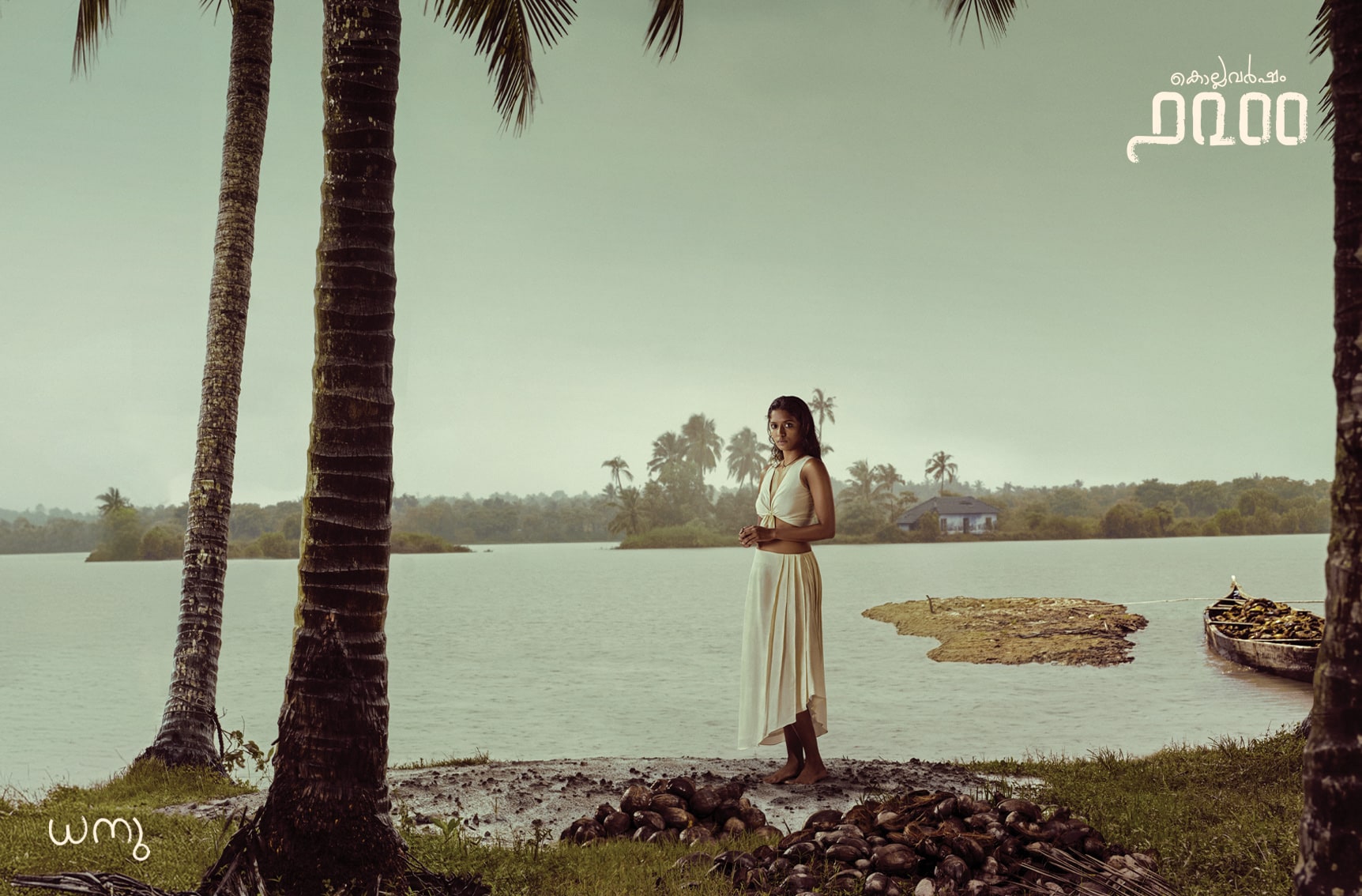
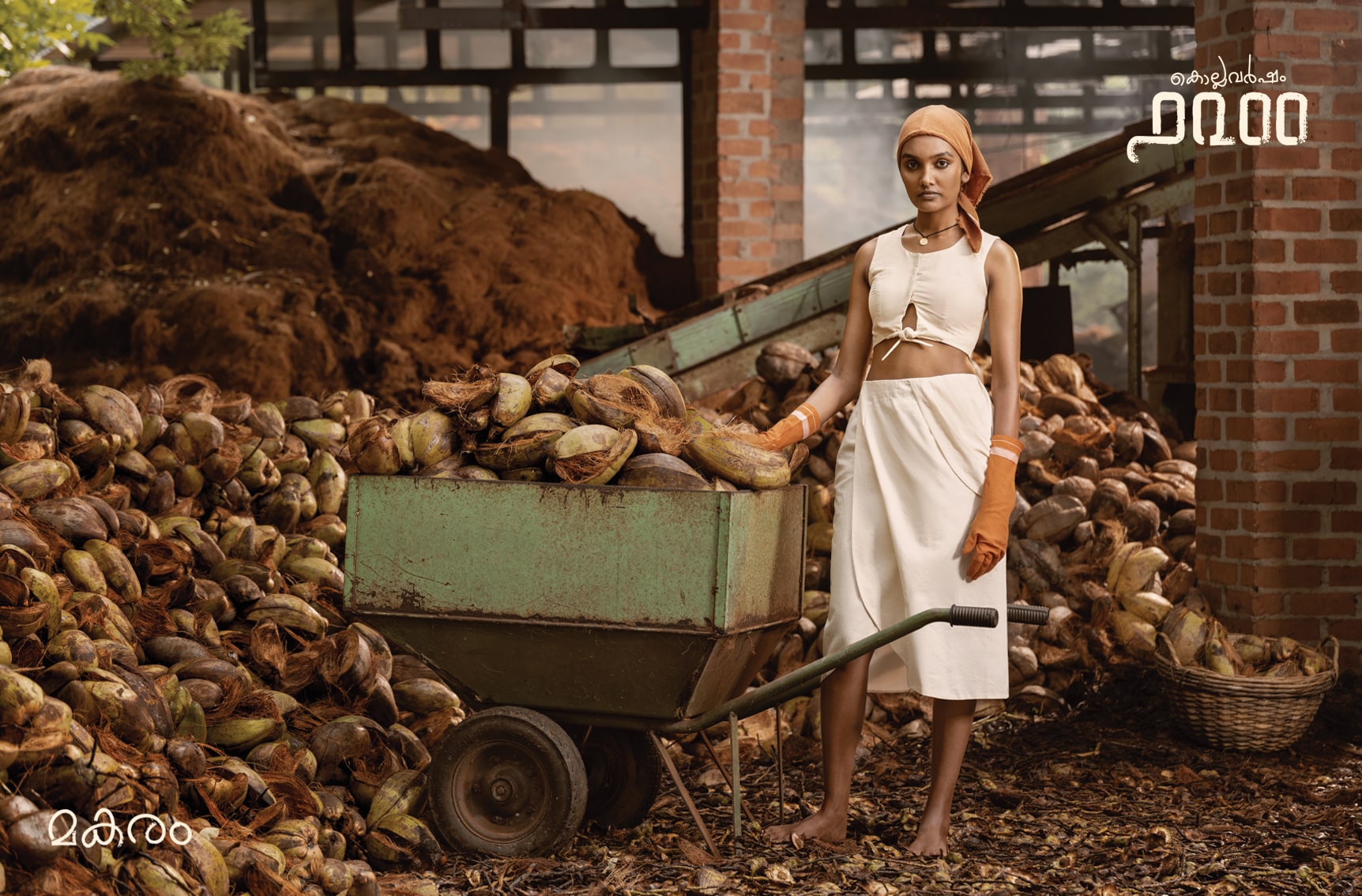
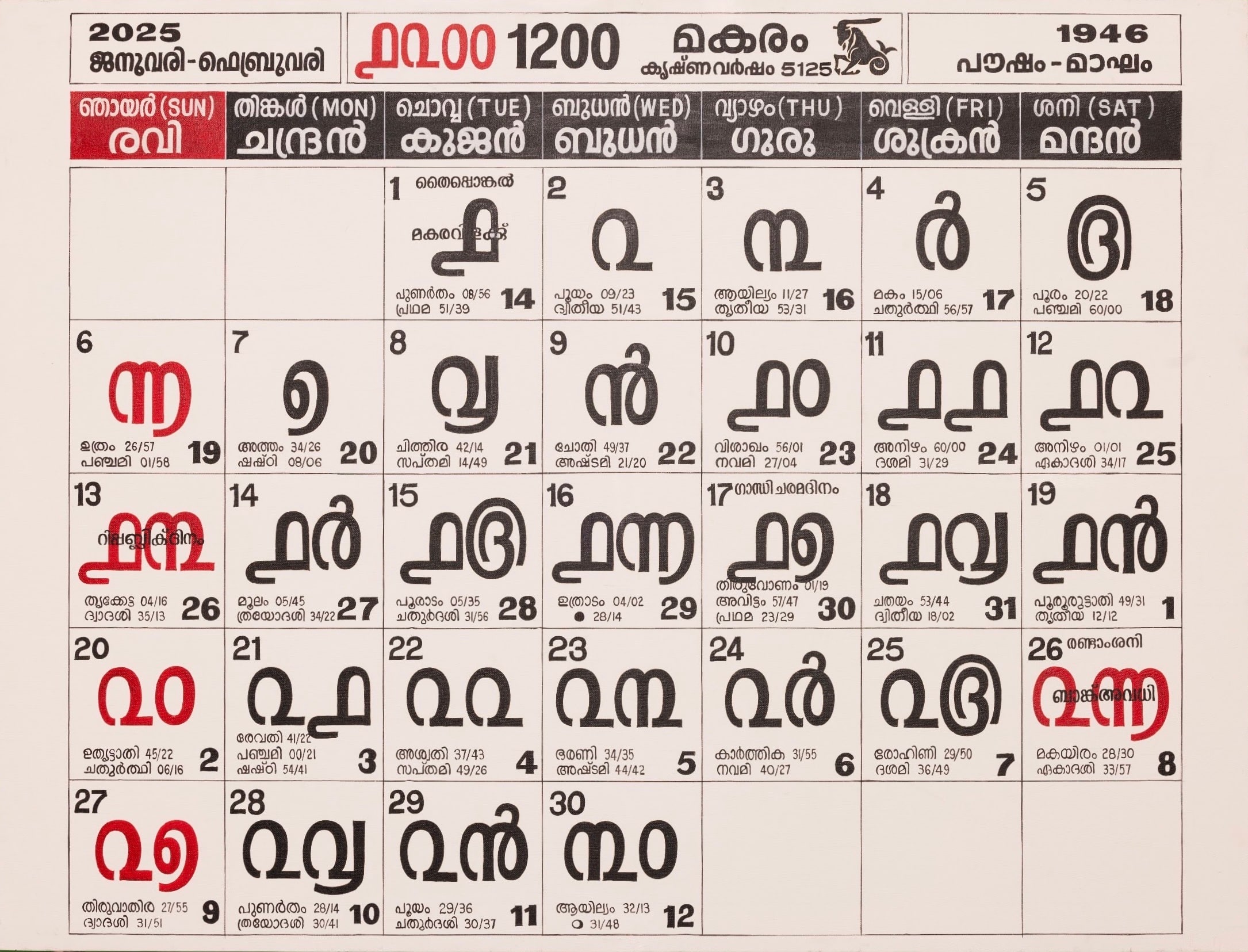
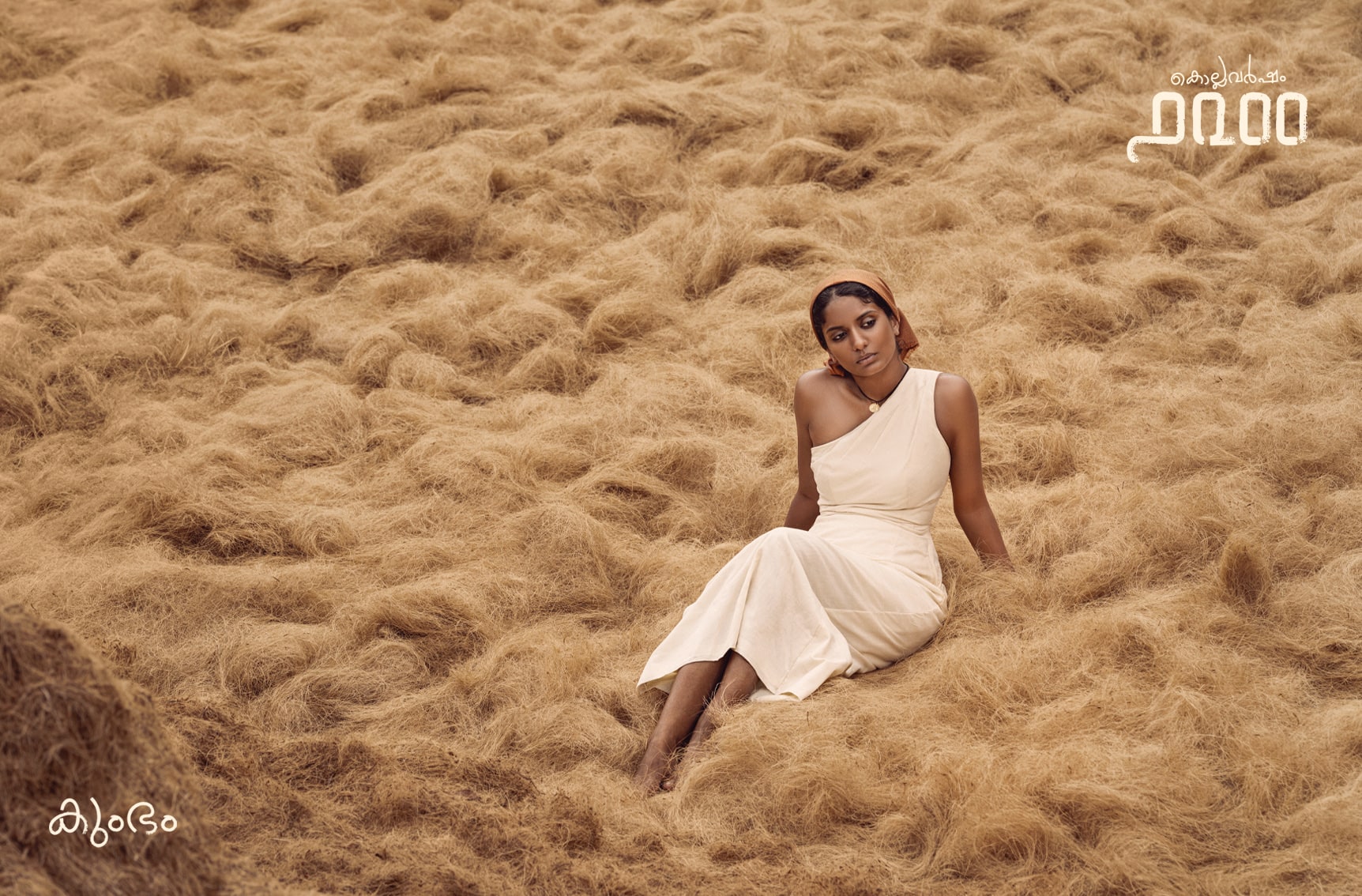
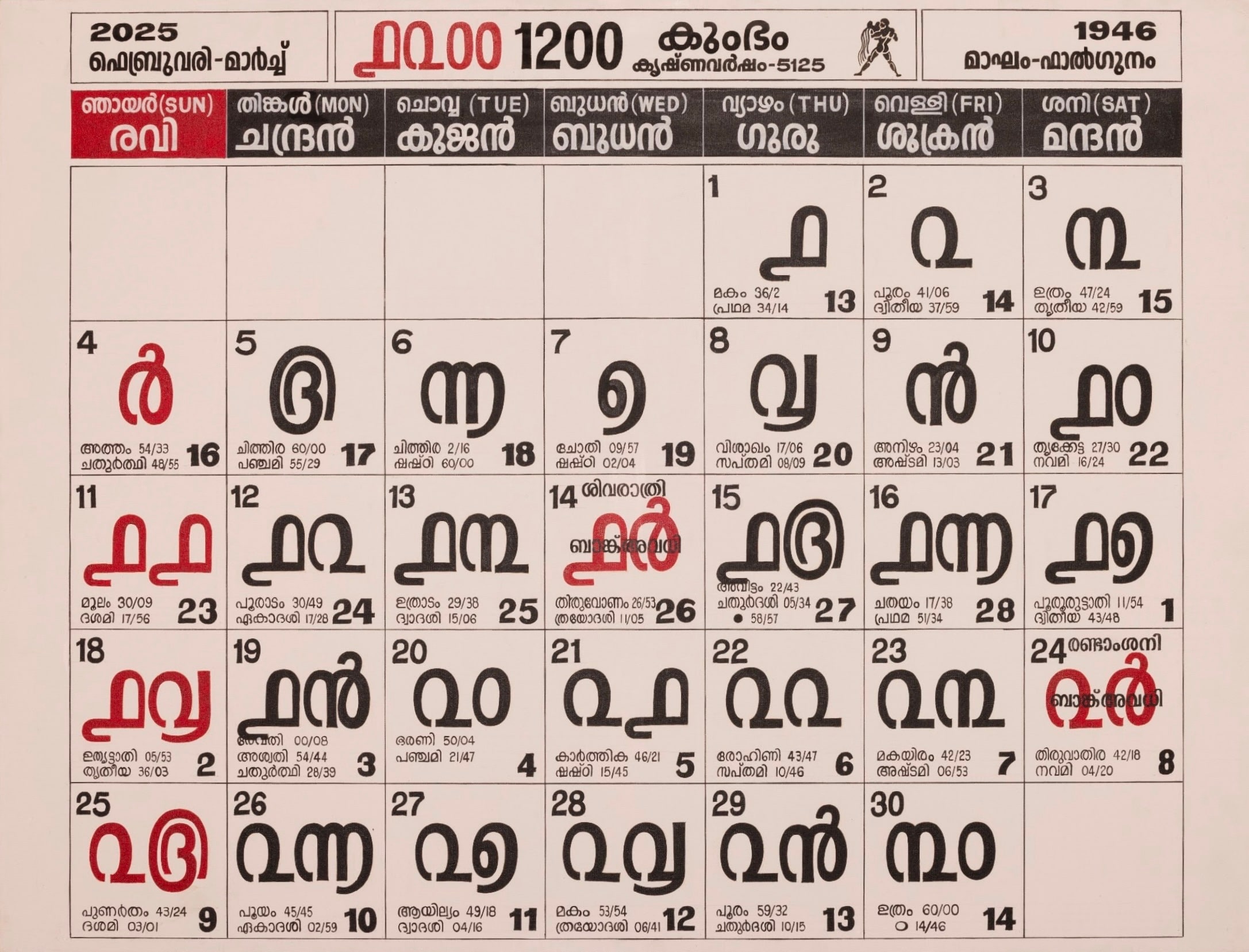
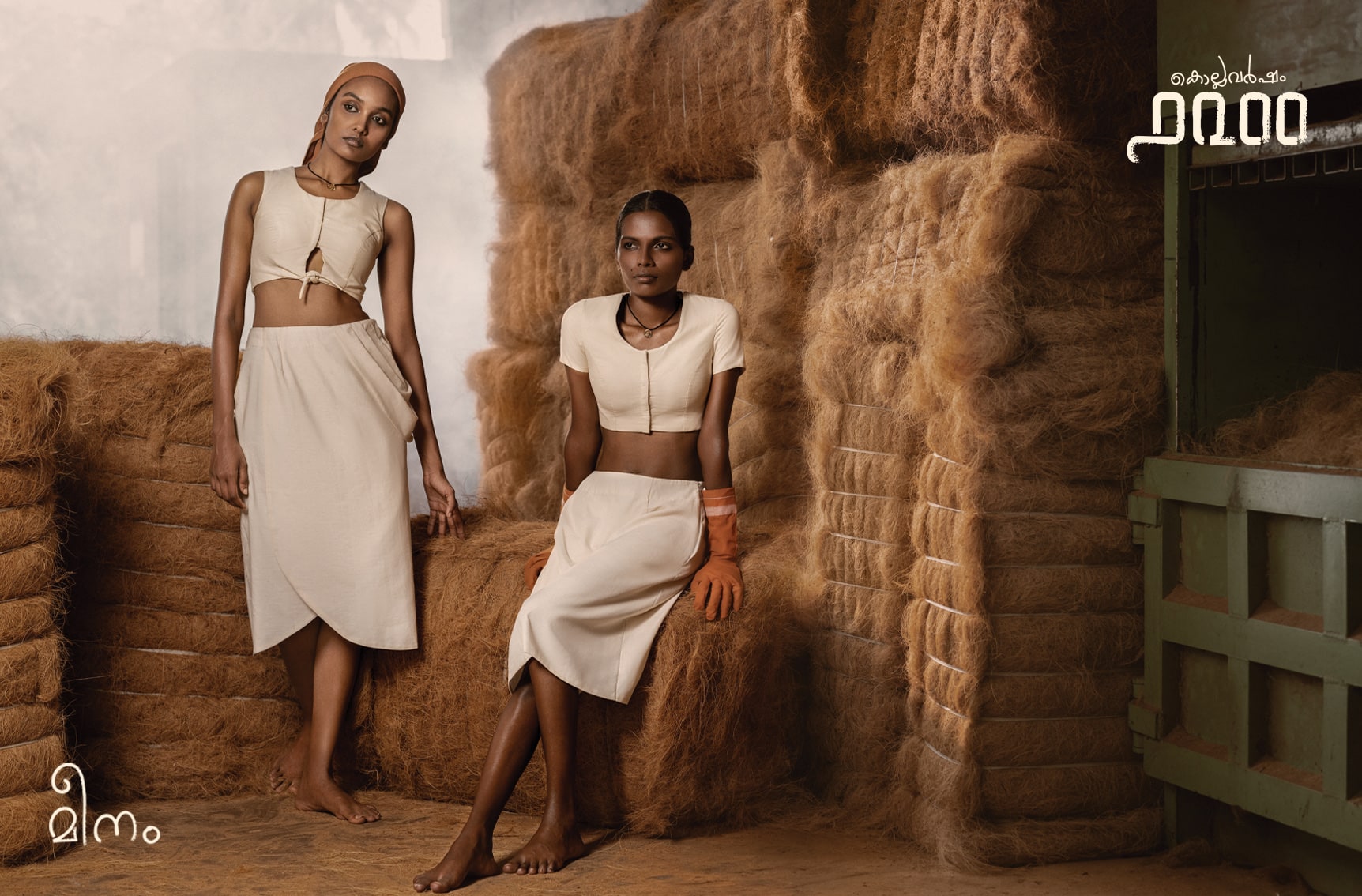
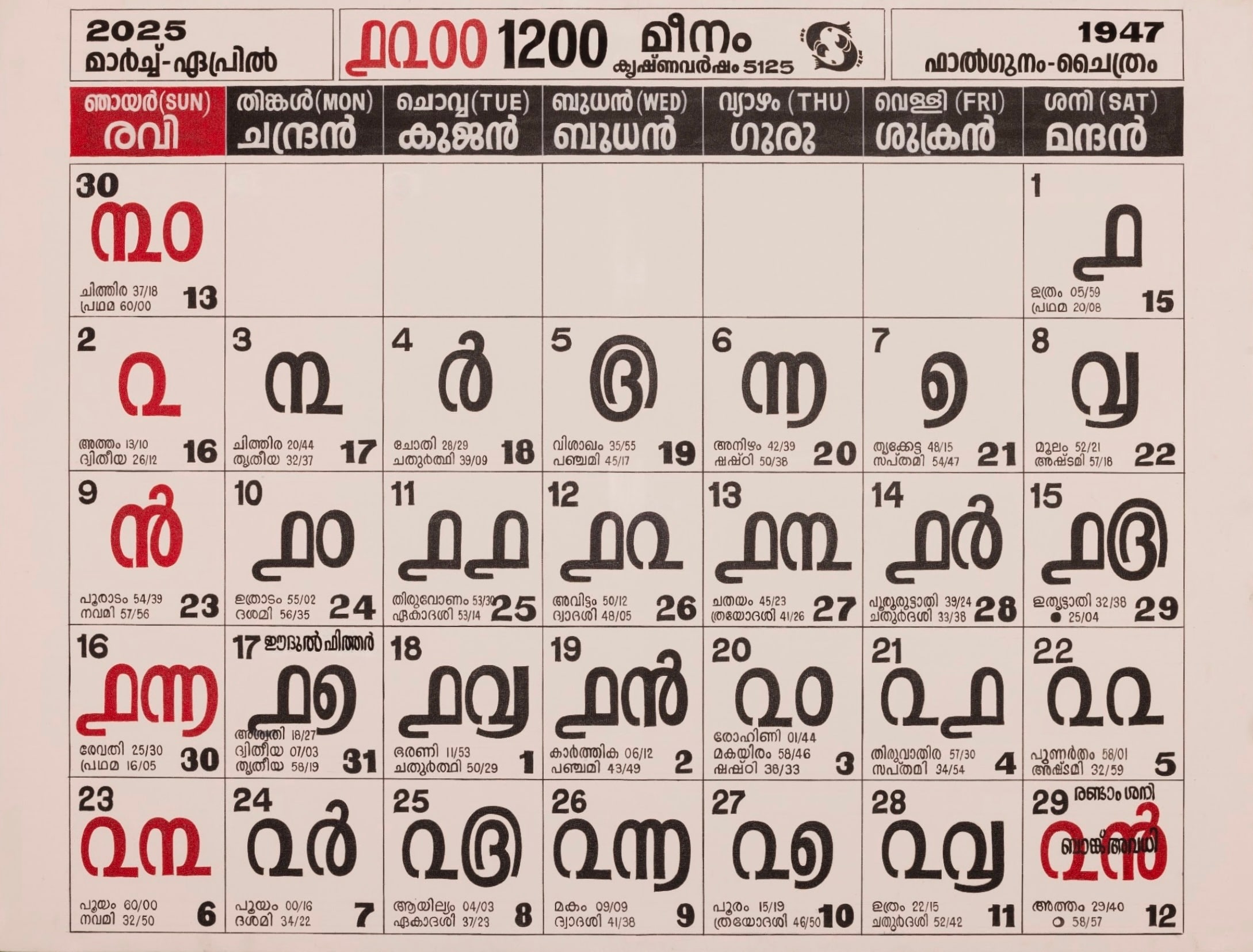
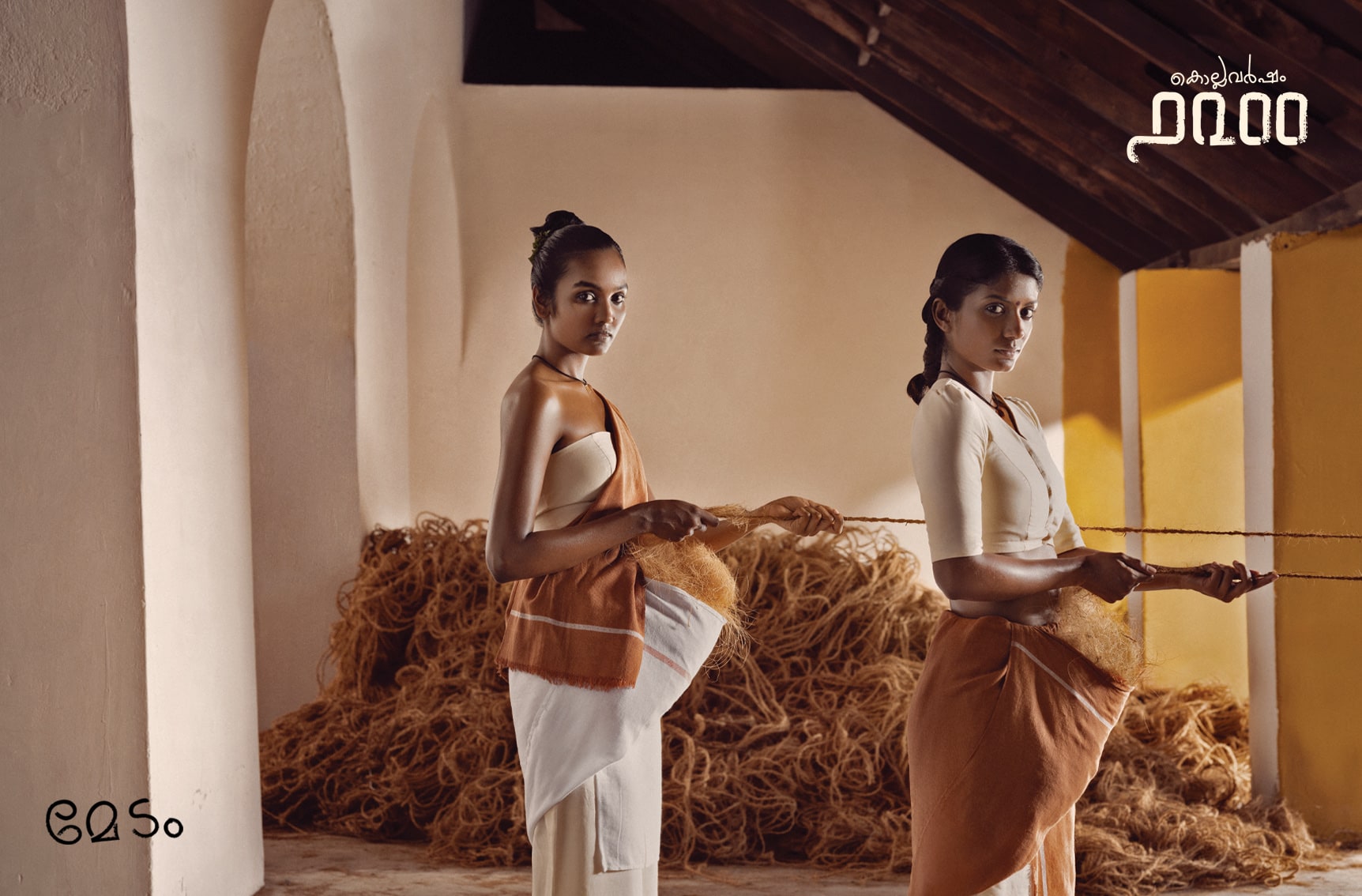
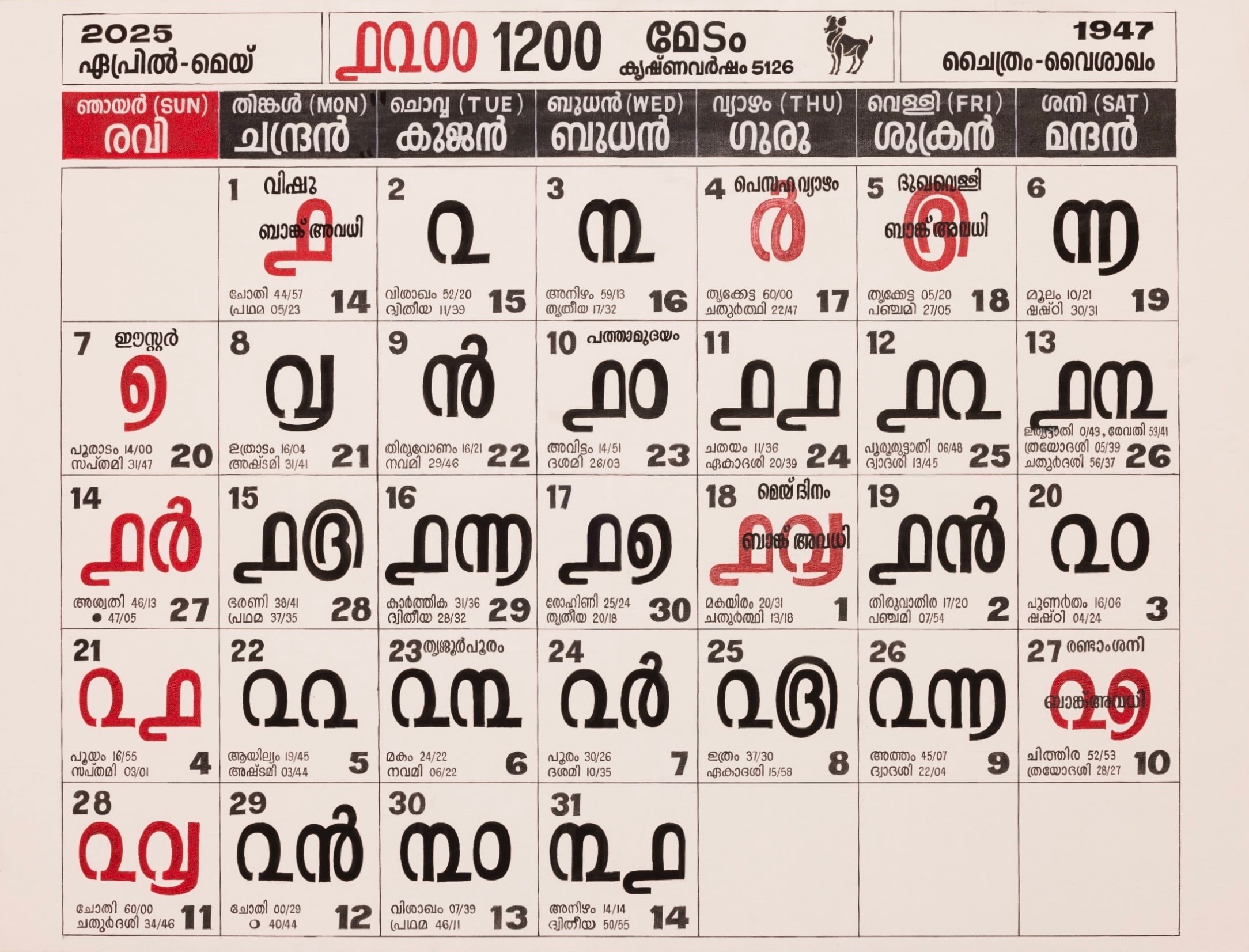
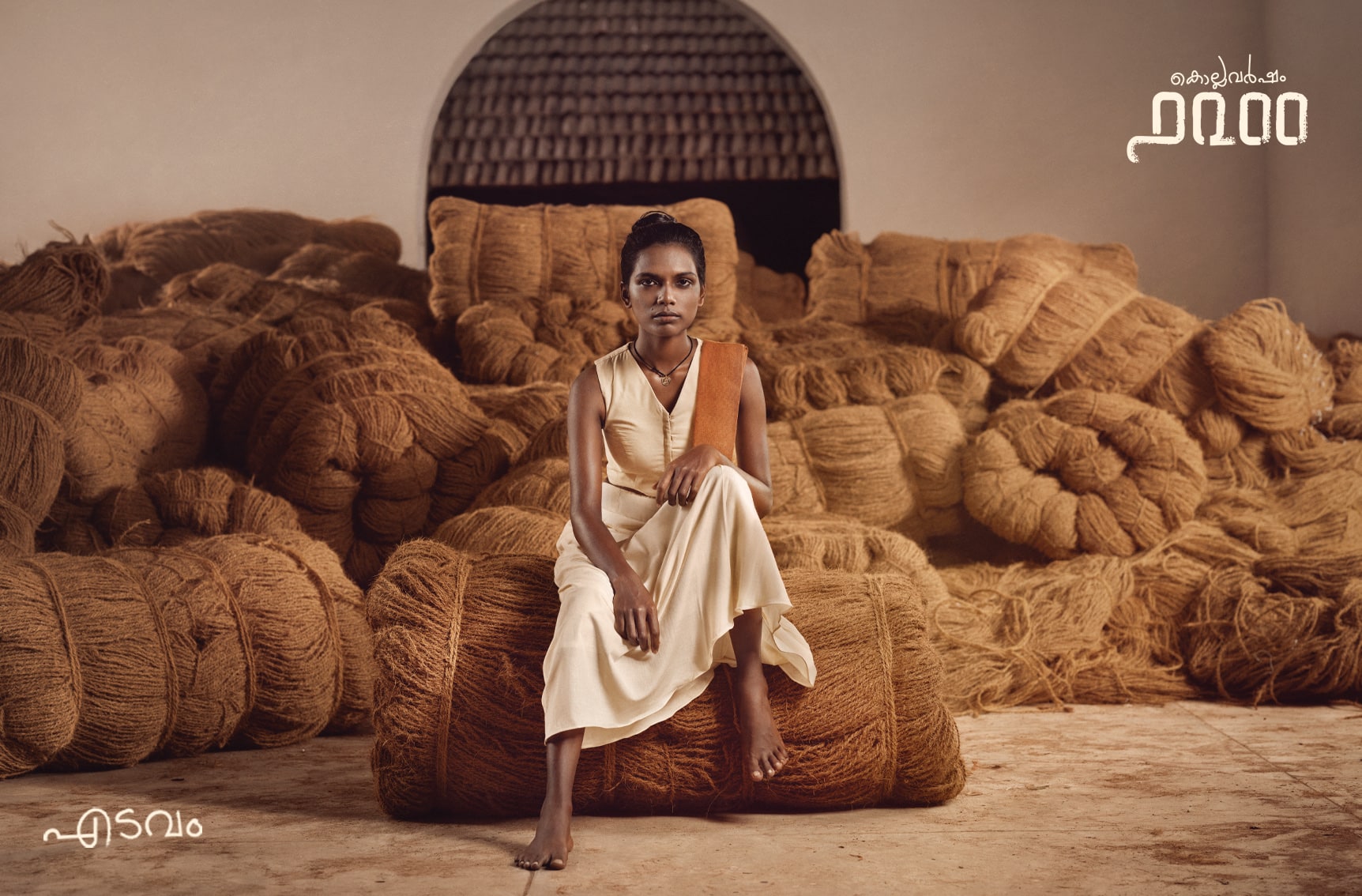
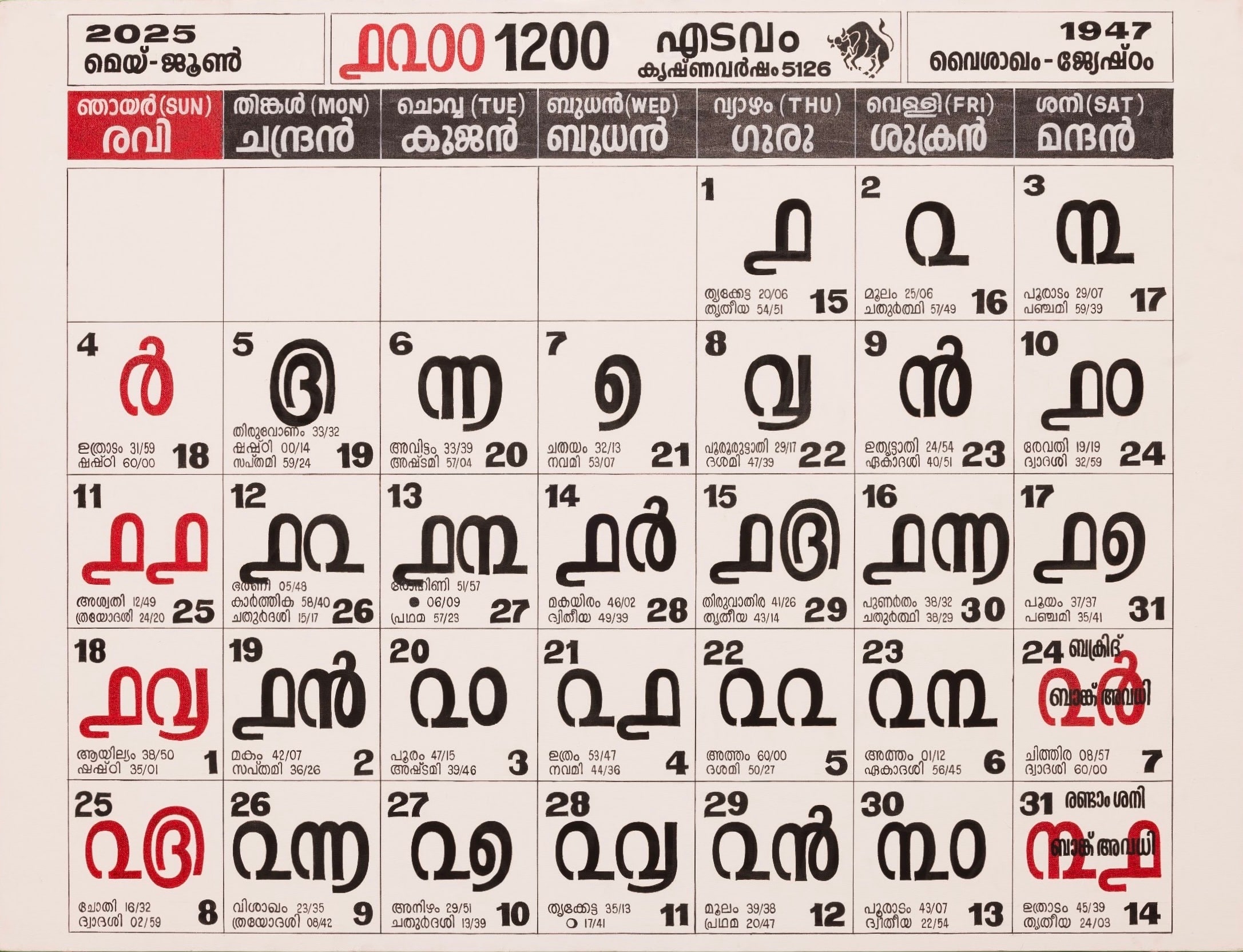
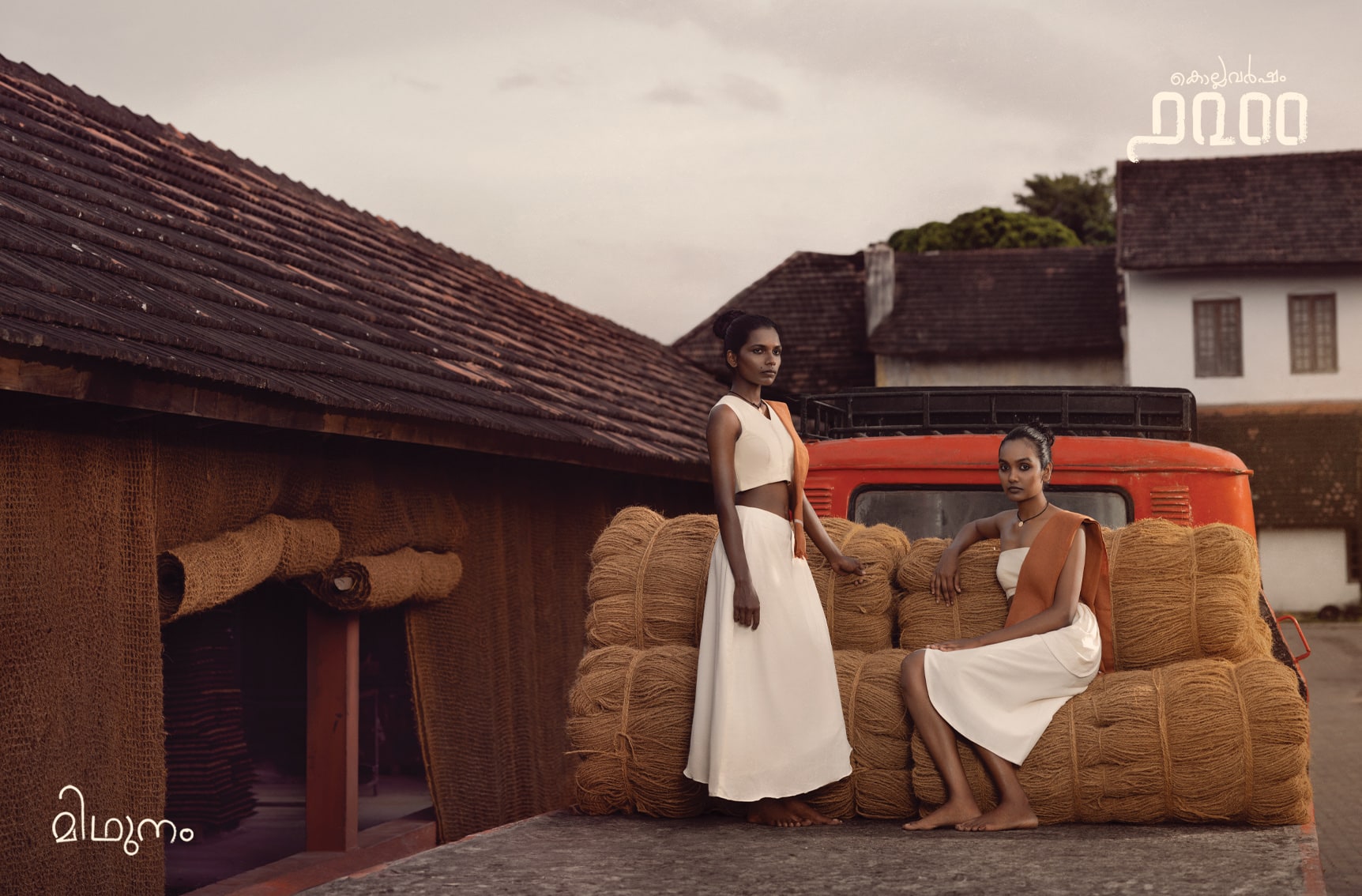
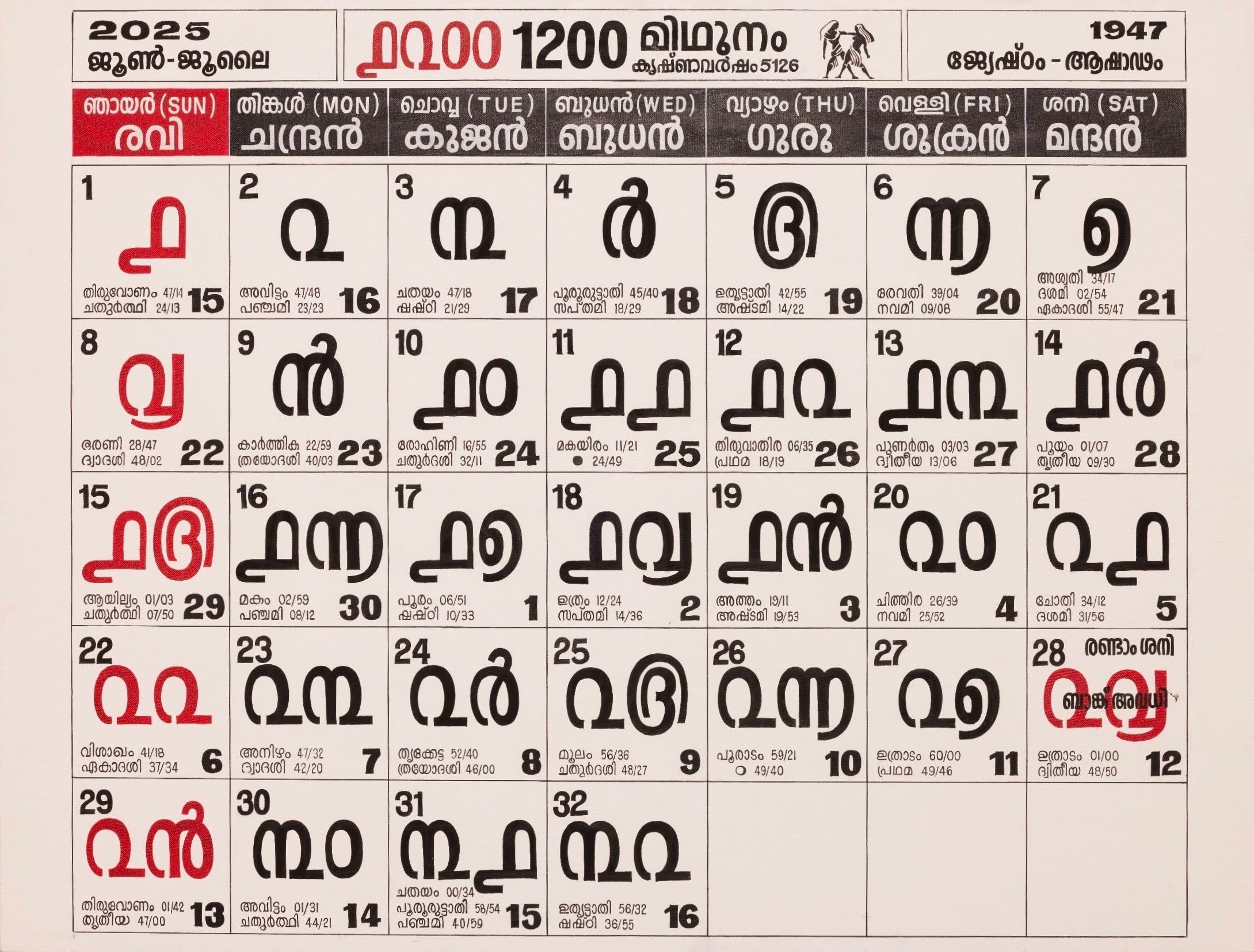
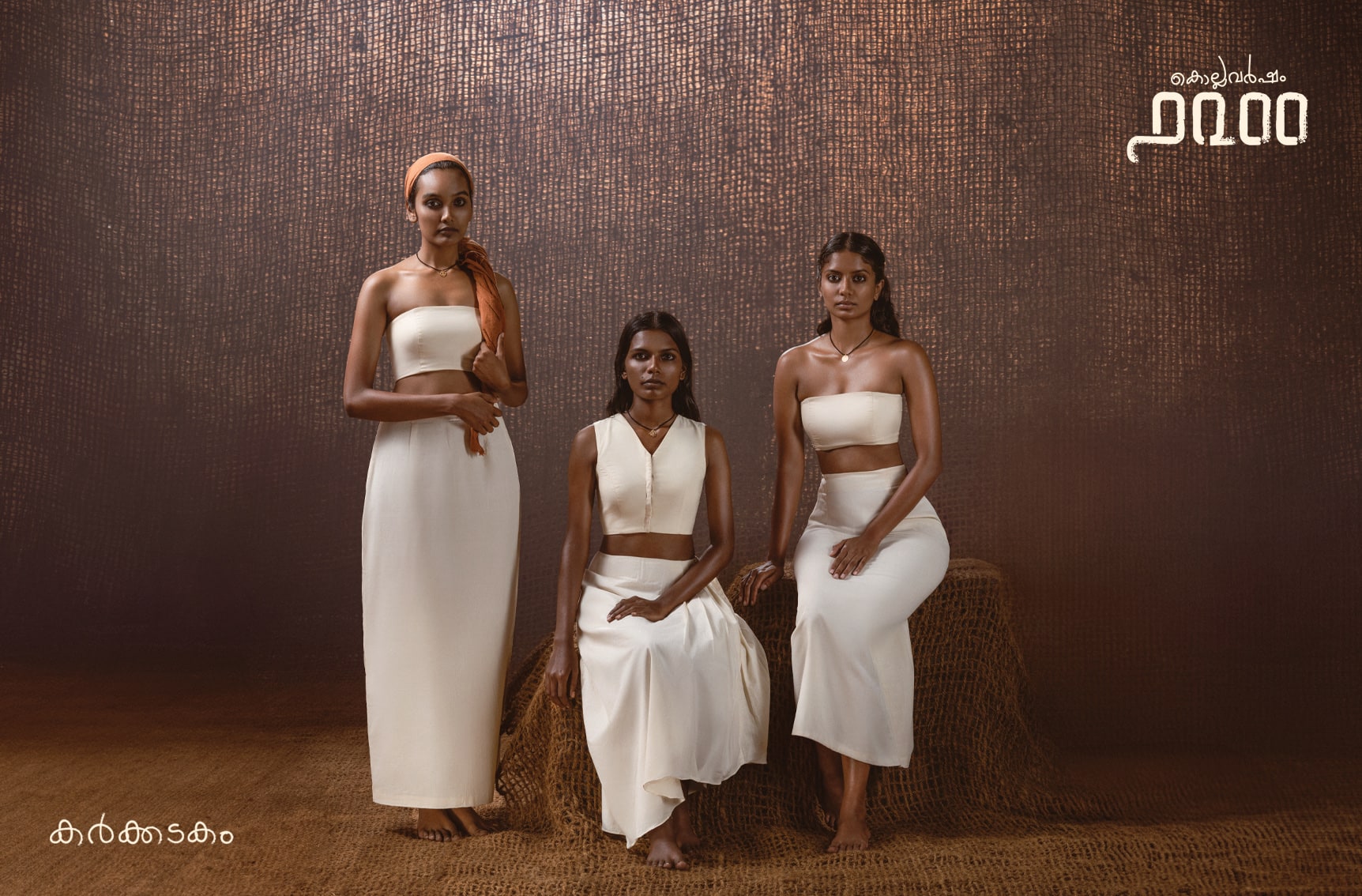
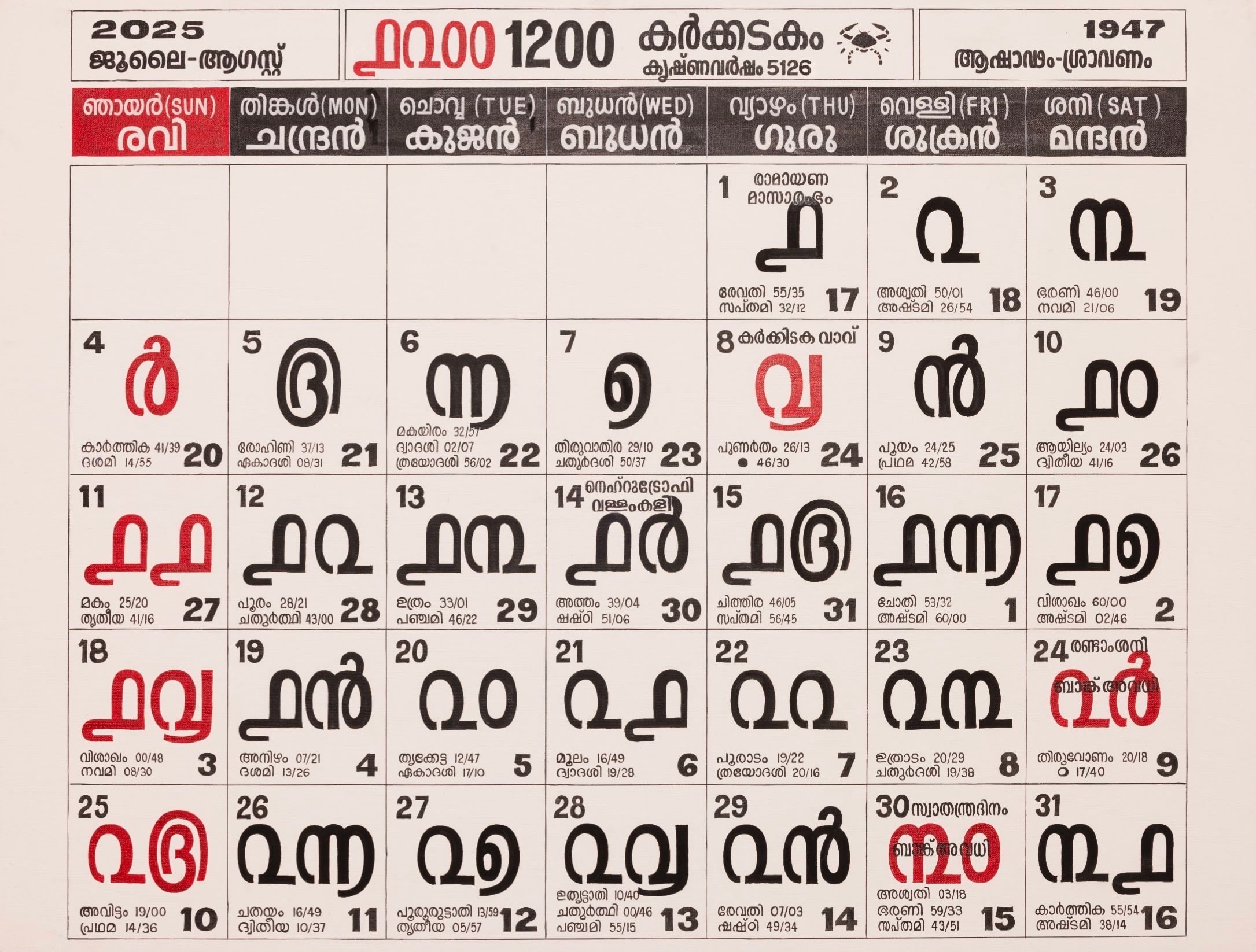
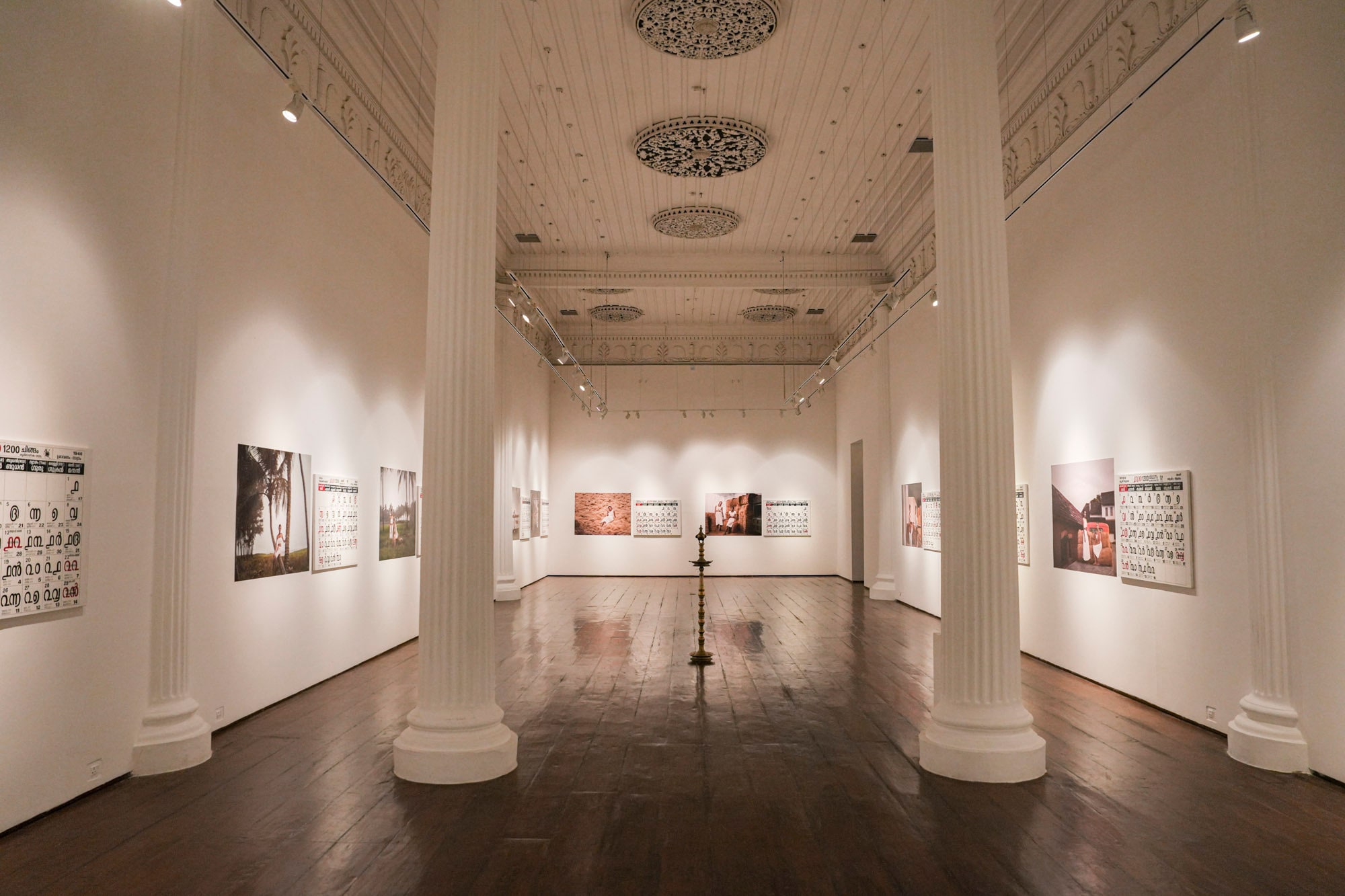
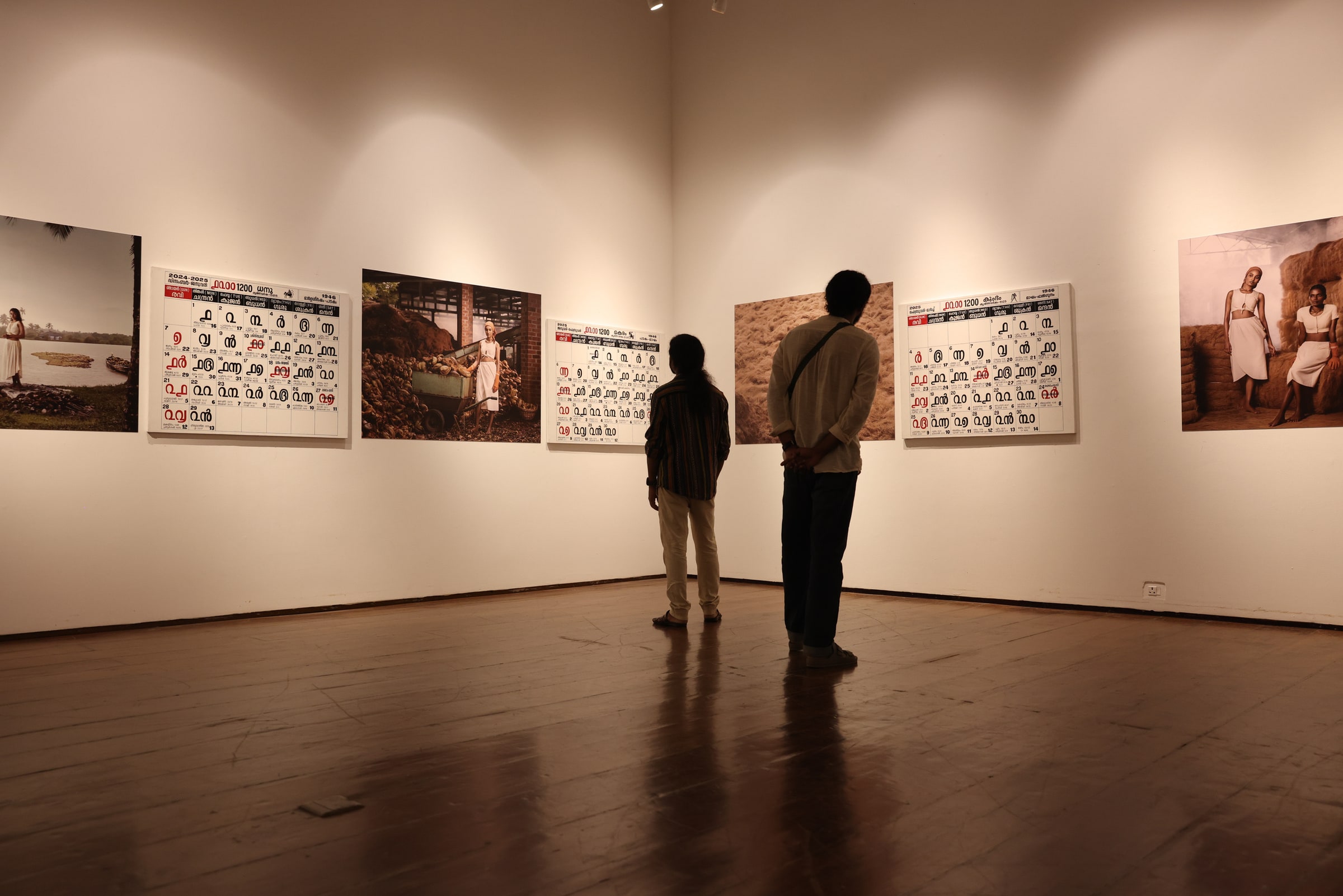
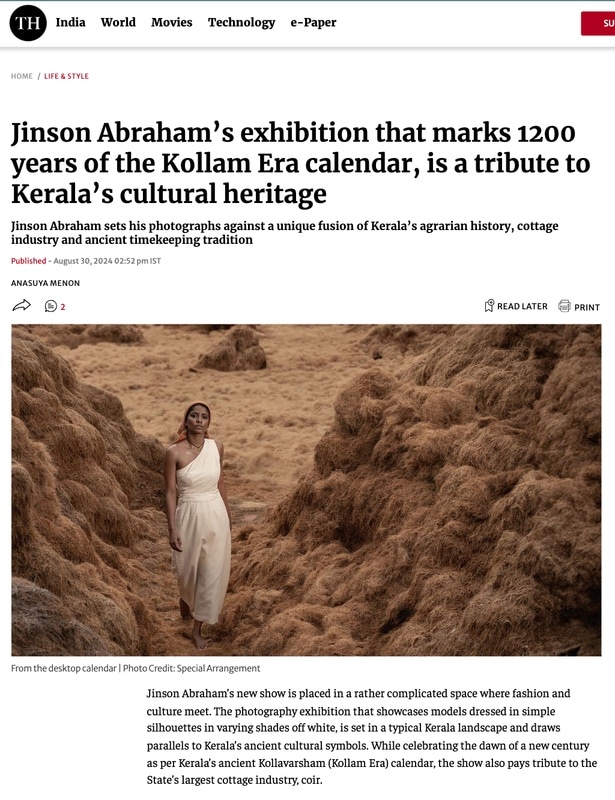
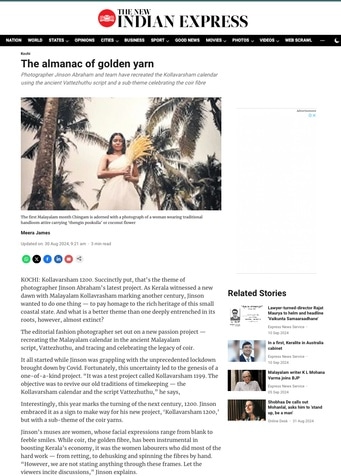
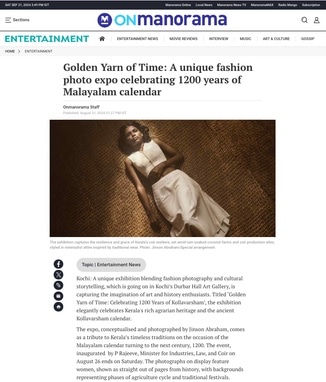
Kollavarsham 1200 marked twelve centuries of the Malayalam calendar through coir. Photographed amid rain-washed coconut groves and coir-making units, the edition honours the quiet strength of Kerala's women coir workers, its images paired with hand-painted calendar panels in old Malayalam numerals.
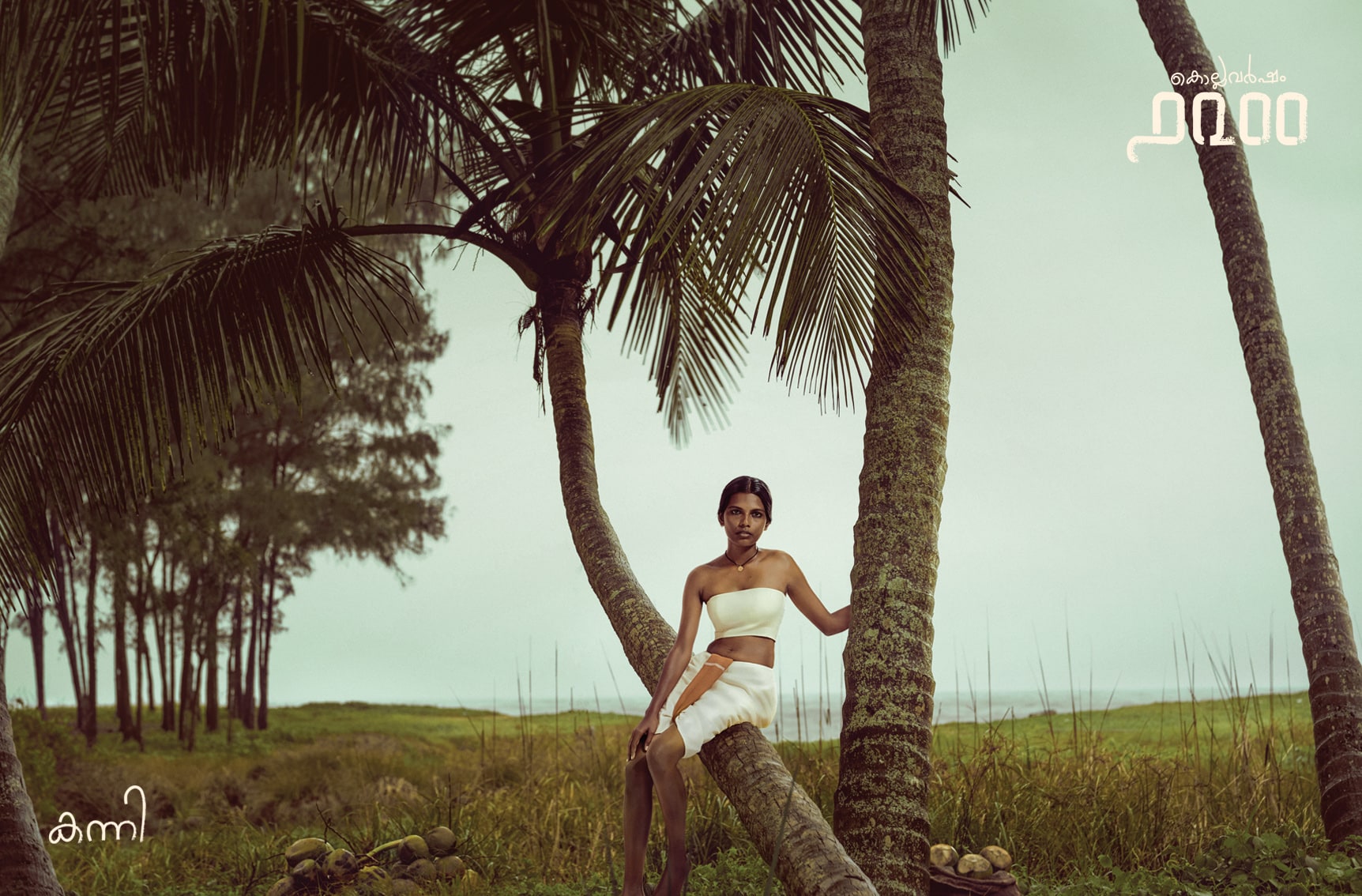
Central to the thematic collection is the celebration of coir fibre, a material whose versatility and sustainability have made it a cornerstone of Kerala's economy. The photographs capture models posed amidst rain-washed coconut farms and coir-making units, their silhouettes defined by clean lines and simple forms. The minimalism, fashioned from off-white handloom fabric, subtly echoes the understated elegance of the traditional attire worn by women coir workers and pays homage to the quiet strength and resilience embodied by them.
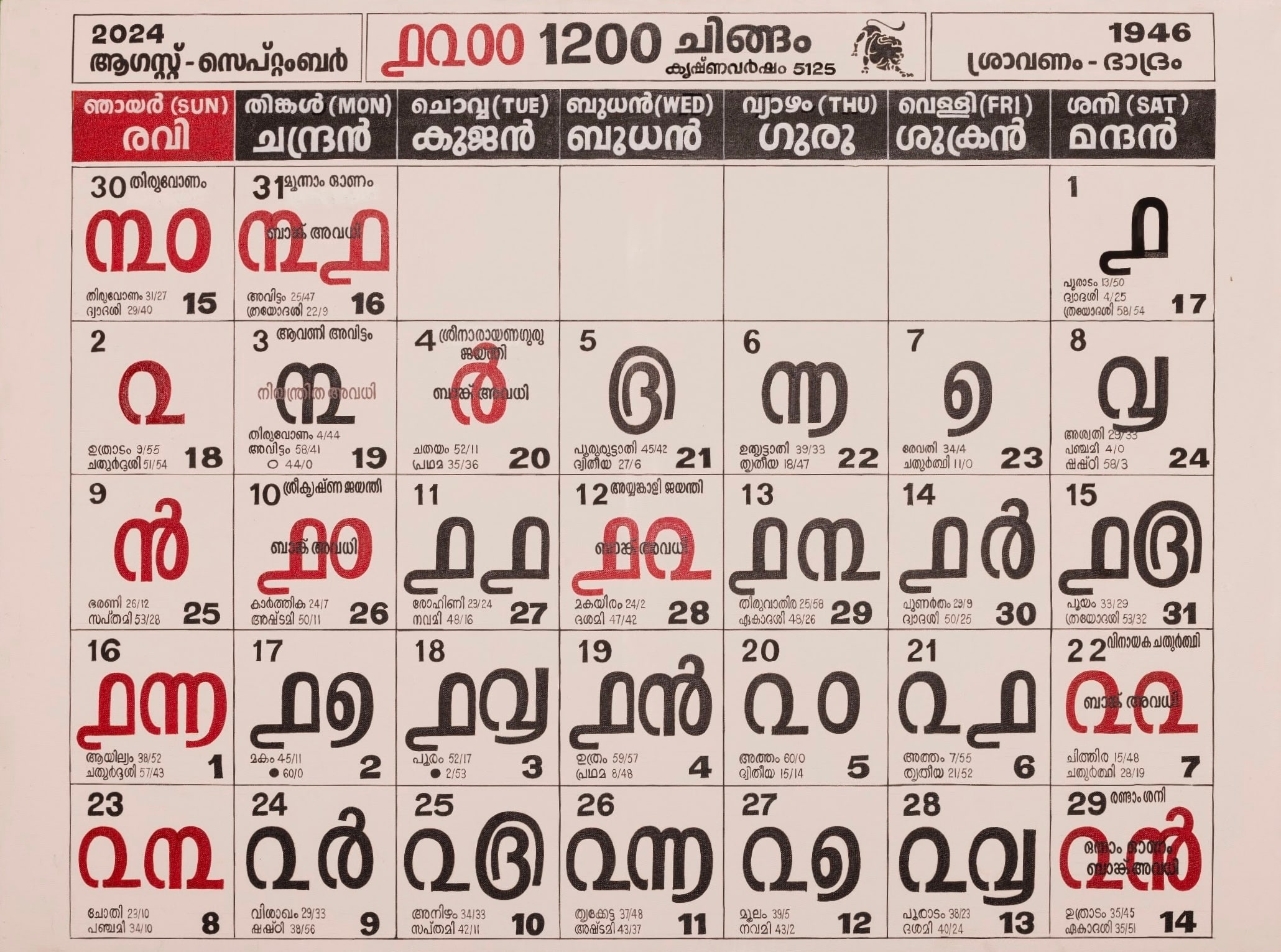
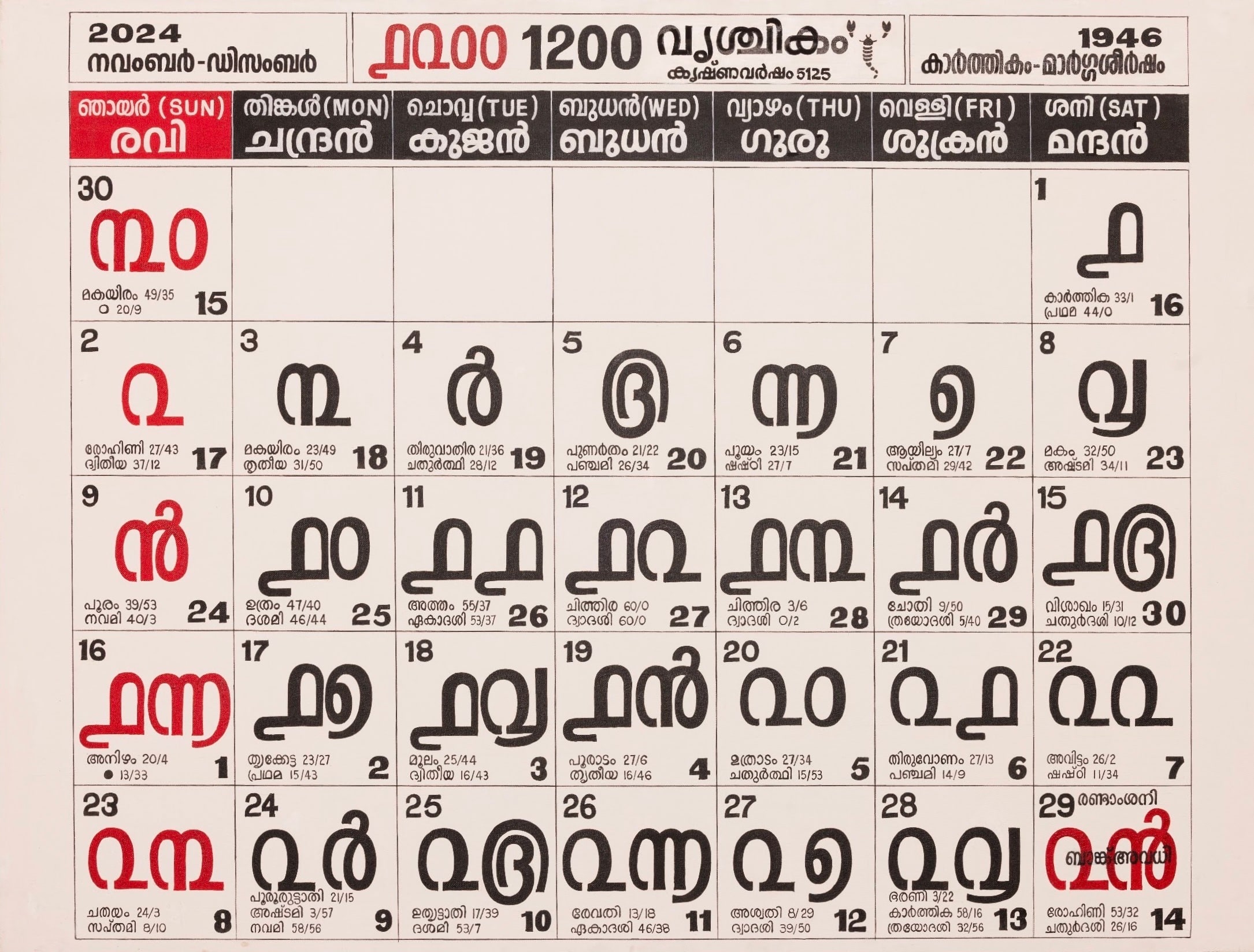
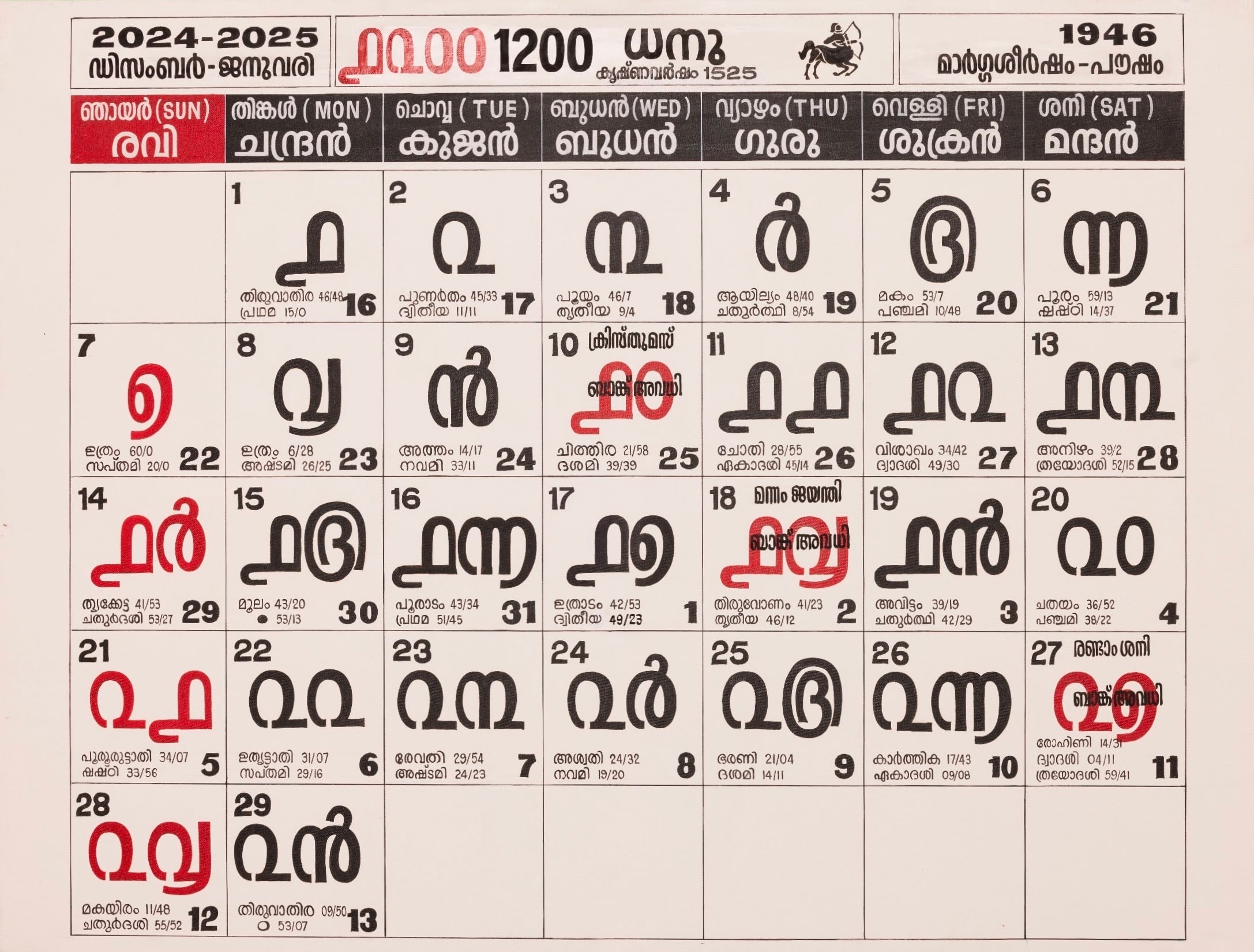
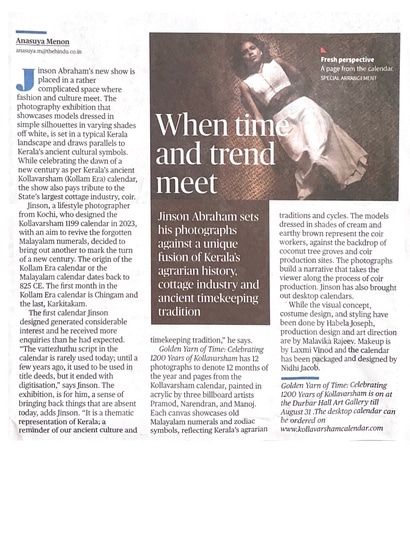
The visual discourse is further enriched by the integration of the Kollavarsham calendar, a timekeeping system with enduring legacy that dates back 1200 years to AD 825. Meticulously detailed and authenticated, the factoids in the solar zodiac are presented in both Indo-Arabic numerals and Vattezhuthu lipi for easy comprehension. Starting from post-harvest Chingam (August-September), when Malayalis celebrate the festival of Onam and ending in the peak monsoon month of Karkidakam (July-August), each of the 12 months corresponds to a zodiac sign as the sun transits through various constellations. One of the distinctive features of the Kollavarsham calendar is its close connection to the agricultural cycle and traditional festivals in Kerala. The old Malayalam numerals, rendered with precision by artists first on to stretched canvases, act as a symbolic conduit between the past and present, embodying a living heritage that continue to shape the lives of Keralites.
02 · Archive Gallery
Calendar
03 · The Exhibition
In the Hall
04 · The Making
Art Work Explained
Concept
The Kollavarsham project highlights Kerala's cultural heritage through fashion photography, showcasing the coir-making process and traditional Vattezhuthu numerals. It evolves annually, celebrating different aspects of Kerala's agrarian traditions.
Make-up
The make-up stays true to Kerala's traditions, with coconut oil used as the base for glowing skin and sleek hair. Kanmashi — traditional kajal — accentuates the eyes, adding a touch of authenticity while reflecting the simplicity and elegance of Kerala's heritage.
Style statement
The style statement features a cotton black charadu with a Kashi Pathakkam, the golden locket, reflecting the grounded identity of workers and their modest economic conditions. This traditional jewellery symbolises simplicity and resilience.
Art direction
The art direction highlights Kerala's coir-making tradition through natural, earthy backgrounds — coconut fields and coir factories. Each setting connects the models to Kerala's agrarian heritage, blending tradition with authenticity.
Presentation specification
Pigmented prints on Hahnemühle Photo Rag Bright White 310gsm, at 43 × 57.3 inches, shown with a hand-painted acrylic on canvas calendar at 36 × 48 inches.
05 · Received
Voices from the Hall
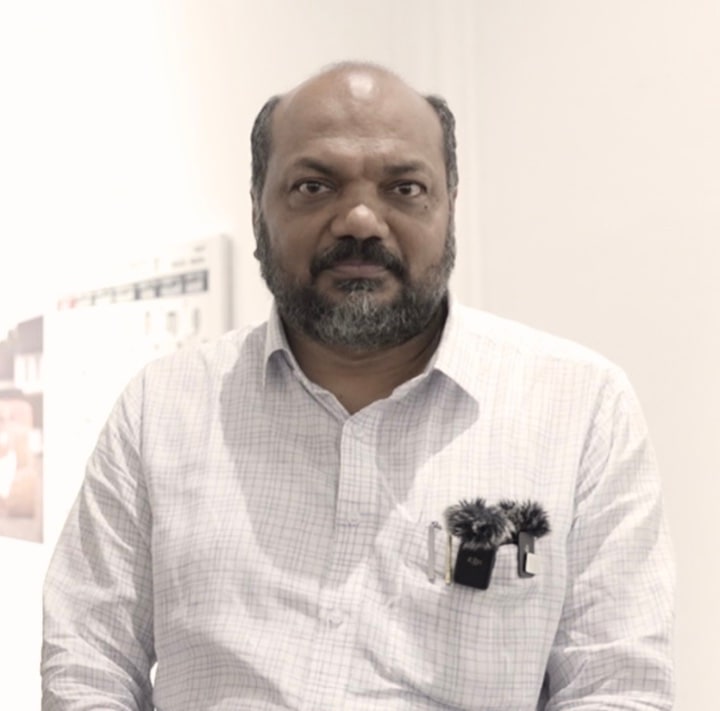
The release of this calendar in the 1200th year of the Malayalam Kollavarsham adds a unique historical and cultural resonance. Coir, once a symbol of Kerala's abundance, now faces challenges, yet the resilience of its workers remains strong. This calendar captures their hard work and enduring spirit, offering a powerful tribute to our heritage and the hands that shape it.
P. RajeevMinister for Industries, Law and Coir 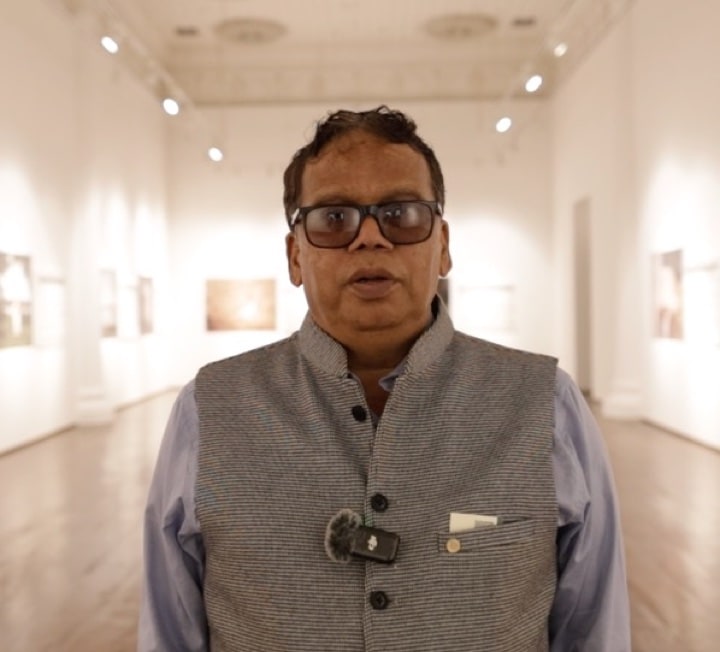
This is bringing back the glorious tradition of Kerala. Kerala, coir, and this calendar are beautifully aligned and thoughtfully presented. Great photography and amazing artwork.
Lokanath BeheraMD, KMRLFormer DGP, Kerala 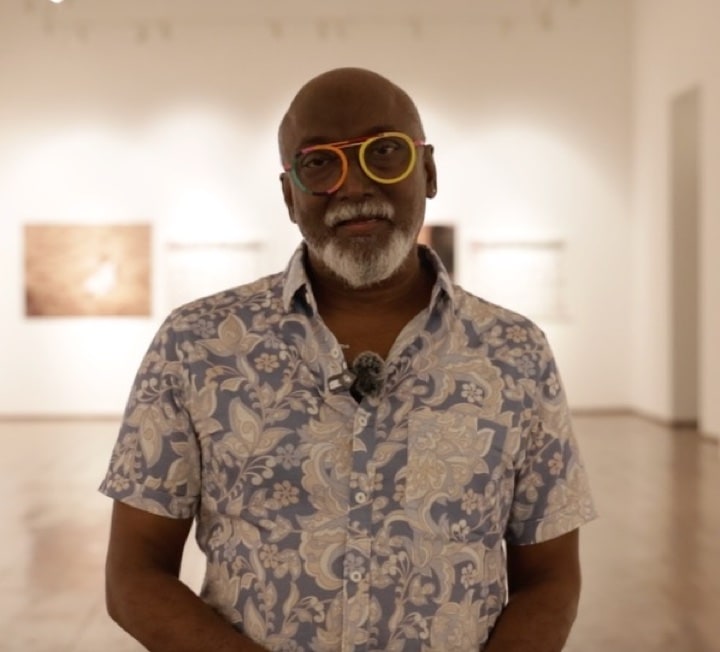
It's a Malayalee, Malayalam, green, earthy, and golden period reflected in this 1200-year-old Kollavarsham calendar. The photography, design, and sensitive details — from textiles to makeup using coconut — bring out the essence of Kerala's heritage. This exhibition is a must-see, and I extend my best wishes to the entire creative team behind it.
Bose KrishnamachariArtist and curatorFounder member and President, Kochi-Muziris Biennale 
This brings a fresh perspective on viewing Kerala in a more authentic way — fascinating in how it delves into the past, exploring time and culture. The textures of sand, the skin, and the intricate details all come through beautifully, creating a profound connection to Kerala's heritage.
Shelton PinheiroCreative director and advertising strategist 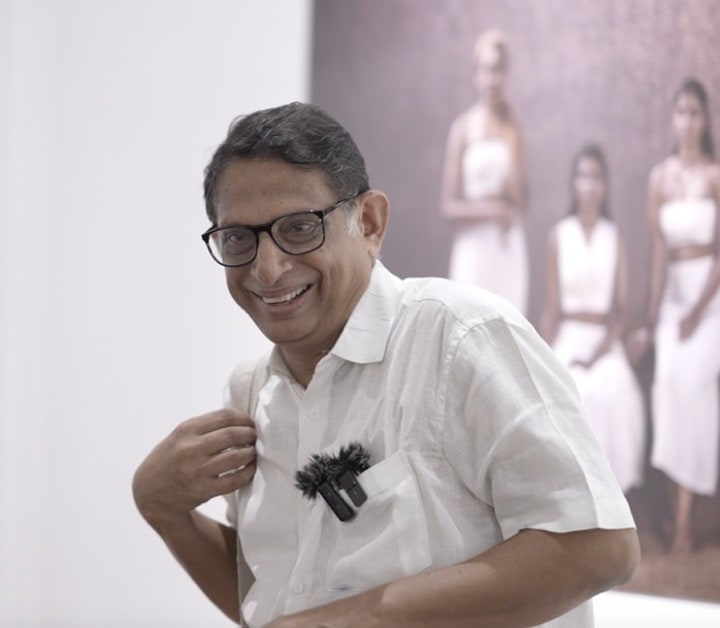
Holding on to lost traditions, this exhibition brings back elements of our heritage that have faded over time. Set against the backdrop of the coir-making process, a practice once integral to Kerala but now nearly forgotten, it masterfully blends modernity with art, photography, and tradition.
Bony ThomasWriter, cartoonist and illustratorFounder member, Kochi-Muziris Biennale
06 · Press
Media Coverage
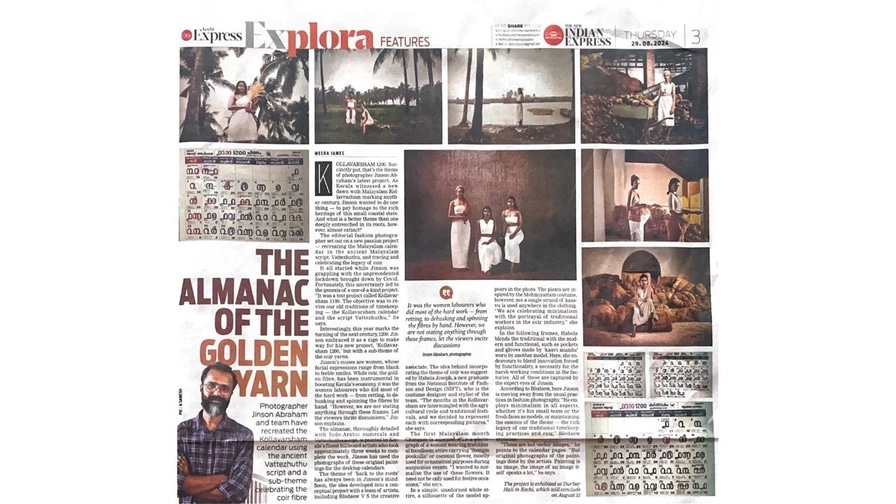
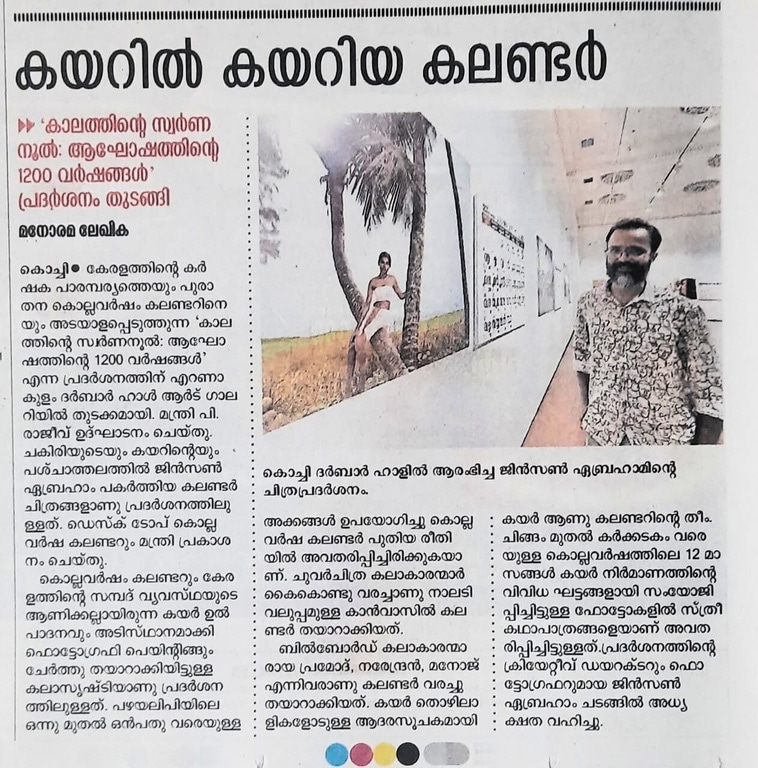
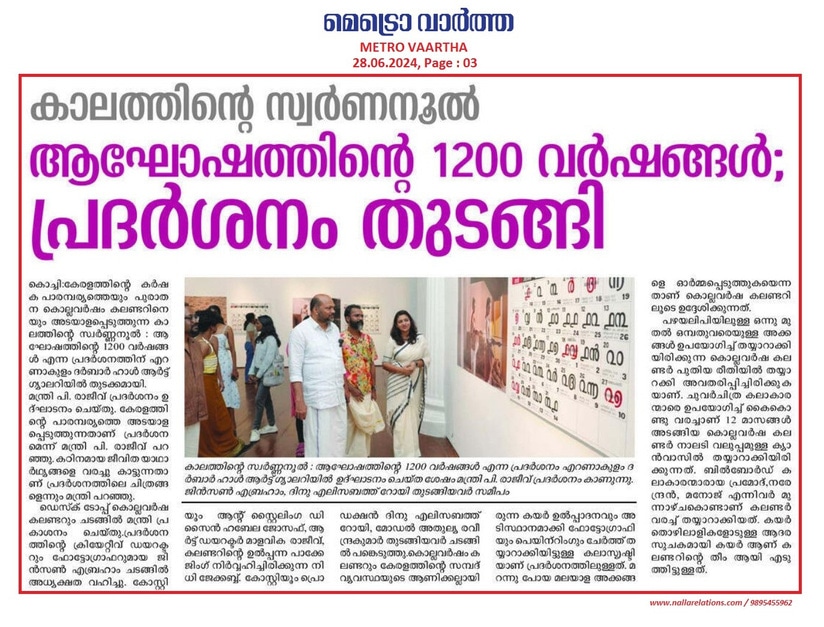
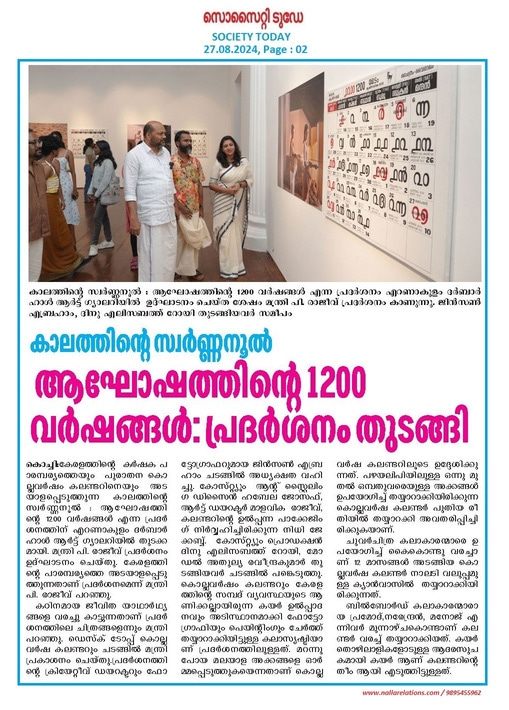
Also covered byAsianet News · Manorama News · Mathrubhumi · Deshabhimani · Deepika · Mangalam · Suprabhatam · Radio Mango 96.2